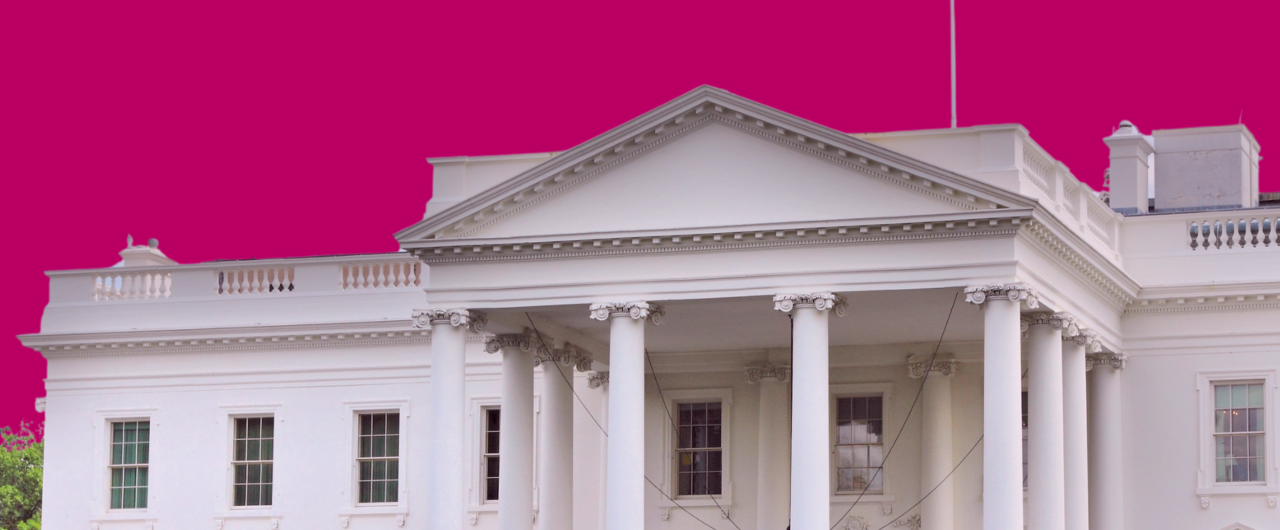
This GPA Strategist Hour focused on the internal mechanics of American democracy. With the midterm elections approaching, the discussion centred on potential threats to electoral integrity and the institutional safeguards required to withstand them. Insights were provided by Mark S. Bergman, International Lawyer and DC-based Analyst, Gréta Bedekovics, Director of Democracy, Center for American Progress, and Jon Garvie, Associate Fellow, IPPR (UK).
A significant portion of the debate examined the tactical shifts likely to define the campaign season. It was noted that while a total cancellation of elections is legally impossible, the real danger lies in a „patina of legality“ – the preservation of an outward adherence to the rule of law while manipulating the electoral process through various tactics. These include using executive orders to seize voting machines, redrawing electoral maps, or weaponising the Department of Justice by installing election deniers in key positions. A recurring theme was the „Trump classic“ pivot: the ability of the administration to move rapidly from one disruptive tactic to the next, from bullying the media to invoking the Insurrection Act.
The experts highlighted several critical areas of concern:
- Guardrails under Pressure: There was a strong consensus that Secretaries of State remain the most critical guardrails for American democracy. Having successfully defended the 2020 results, these officials – in both „blue“ and „red“ states – are once again the front line against interference.
- The Legitimacy Trap: A profound warning was issued regarding the narrative of „rigged“ elections. While the MAGA movement has long questioned electoral outcomes, the discussion emphasised that if progressives also begin to call election results illegitimate, the path leads to total chaos.
- European Inertia: The session was particularly critical of the European and UK response to democratic backsliding. It was argued that while 95% of European preparation for a second Trump term has focused on foreign policy, almost no attention has been paid to the internal erosion of democratic norms as a systemic risk. Participants noted that European governments often lack the confidence to push back, opting for quiet diplomacy instead of articulating a clear defence of the democratic model.
The bottom line: The objective of the Trump administration is not to outright cancel the midterms, but to heavily manipulate the process to deny Democrats gains in the House and Senate. The threats are highly systemic and utilize federal power in unprecedented ways. Ultimately, the discussion concluded that democratic forces must be prepared for these specific scenarios now in order to react and act effectively when they unfold. It is especially vital to recognise that if progressives also start calling election results illegitimate, the result will be total chaos. Maintaining faith in the process, even under duress, is essential.

Weitere Beiträge

Wie Transformation als Klassenfrage politisiert werden kann. Zur Debatte um das Verhältnis von Arbeit und Klima

Johanna Siebert im Podcast "Kunst der Freiheit"
