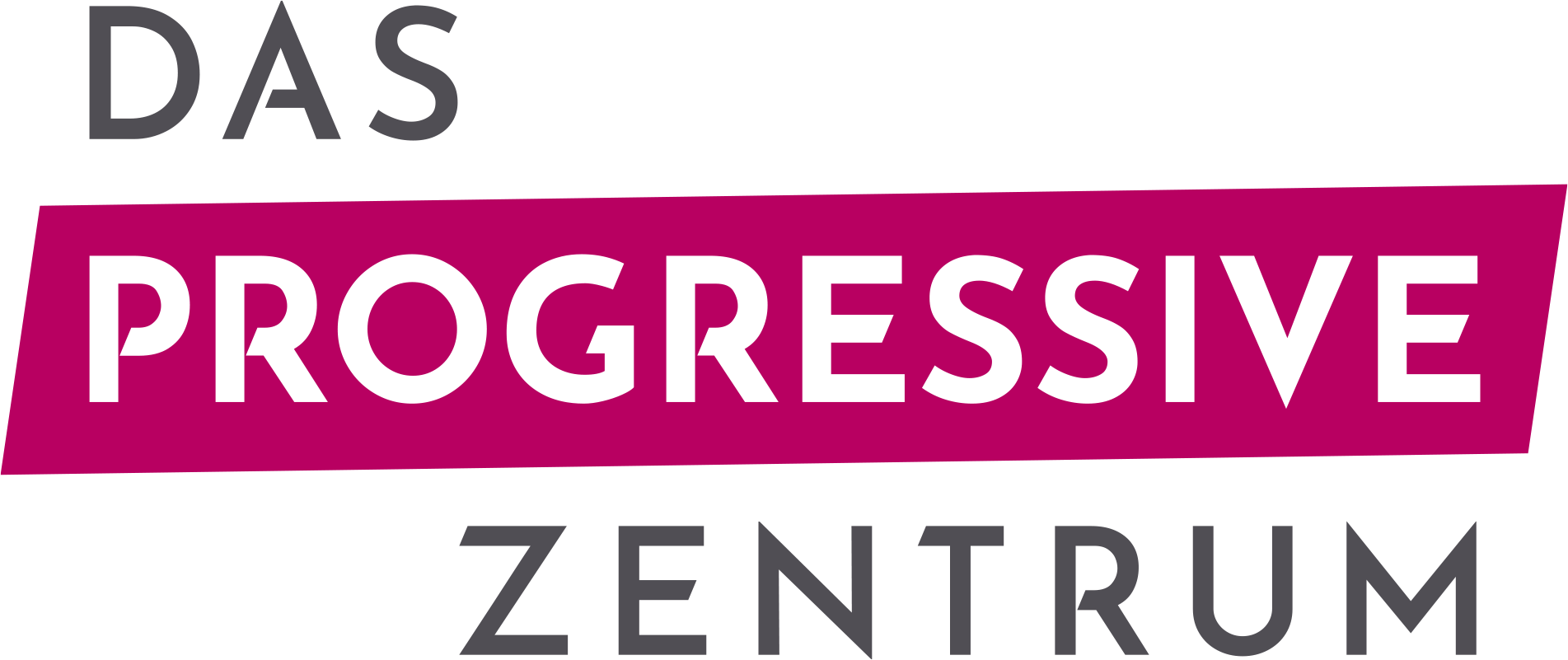

Industrial Heartlands in the United States and Germany stand at a historic inflection point. After decades of industrial decline and only partial rejuvenation, these regions confront overlapping challenges of geopolitical tension, economic uncertainty, and technological transformation. Our paper builds on insights from two study trips we did as a fellowship group over the past 24 months. From Erie to Youngstown, from Pittsburgh to Dearborn, and then from Duisburg to Bochum, Cottbus and Görlitz, we examined where policy meets practice across the American Midwest, the Ruhr, and Eastern Germany.
Abstract
This paper examines how these regions navigate three defining dynamics of 2026: rearmament driven by Europe’s military build-up, looming recarbonisation as fossil fuel dependencies are deepened, and political realignment marked by surging populist anti-establishment movements.
We find that successful industrial transformation depends on visible, people-centred benefits delivered through credible local institutions. Policy uncertainty – not change itself – emerges as the primary barrier to renewal. Our recommendations leverage defence investments as regional anchors, maintain green transition commitments as pathways to competitiveness and sovereignty, and strengthen local capacity through infrastructure task forces, modernised apprenticeships, and transatlantic community networks.
These heartlands possess the skilled workforces, legacy infrastructure, and civic assets needed to become innovation engines again. What they require are sustained political commitments, reduced uncertainty, and partnerships that enable them to shape transformation on their own terms.
Recommendations in short
- Responding to Rearmament: Defence Investment as Regional Anchor: Policymakers should position industrial heartlands as hubs for cross-sectoral defence and dual-use innovation, leveraging existing industrial bases and workforce capacities to anchor regional economies. To ensure democratic stability and social acceptance, these investments must be paired with transparent community engagement and robust reskilling programmes that guarantee long-term perspectives for workers.
- Countering Recarbonisation: Stick to the Plan, not to the Mood: Policymakers must encourage long-term investment by adhering to clear, consistent schedules for the green transformation rather than yielding to shifting political moods. To overcome polarisation, strategies should be co-designed with local ecosystems, framing sustainability not as an imported ideal but as a pragmatic pathway to regional competitiveness and job security.
- Enabling Progressive Realignment: Building Local Capacity and Transatlantic Bridges: To empower municipalities lacking fiscal and planning capacity, a National Infrastructure Investment Task Force should be established to provide multi-level coordination and hands-on expertise without increasing permanent overhead. Workforce modernisation must be anchored in local identities, utilising regional training hubs and updated apprenticeships to create dignified career pathways that foster intergenerational cohesion. Finally, funding direct community-to-community alliances between US and German regions will enable local actors—from city planners to unions – to share strategies and strengthen the democratic fabric independently of national politics.
About the Working Group
The Industrial Heartlands Fellows Working Group on Climate, Work, and Innovation comprises seven young professionals from the United States and Germany. As part of the “Transatlantic Dialogue on the Industrial Heartlands” project, they traveled to the US Midwest as well as West and East Germany over the past 24 months, engaging with numerous organisations and individuals who are deeply involved in shaping the future of industrial heartlands.
Their engagements provided valuable insights into the challenges and opportunities in these regions. This policy brief reflects on their findings, and aims to provide actionable recommendations for policymakers and change makers in both the United States and Germany. This transatlantic initiative underscores the importance of collaborative efforts in addressing contemporary challenges in our societies.
Authors







Wir entwickeln und debattieren Ideen für den gesellschaftlichen Fortschritt – und bringen diejenigen zusammen, die sie in die Tat umsetzen. Unser Ziel als Think Tank: das Gelingen einer gerechten Transformation. ▸ Mehr erfahren