
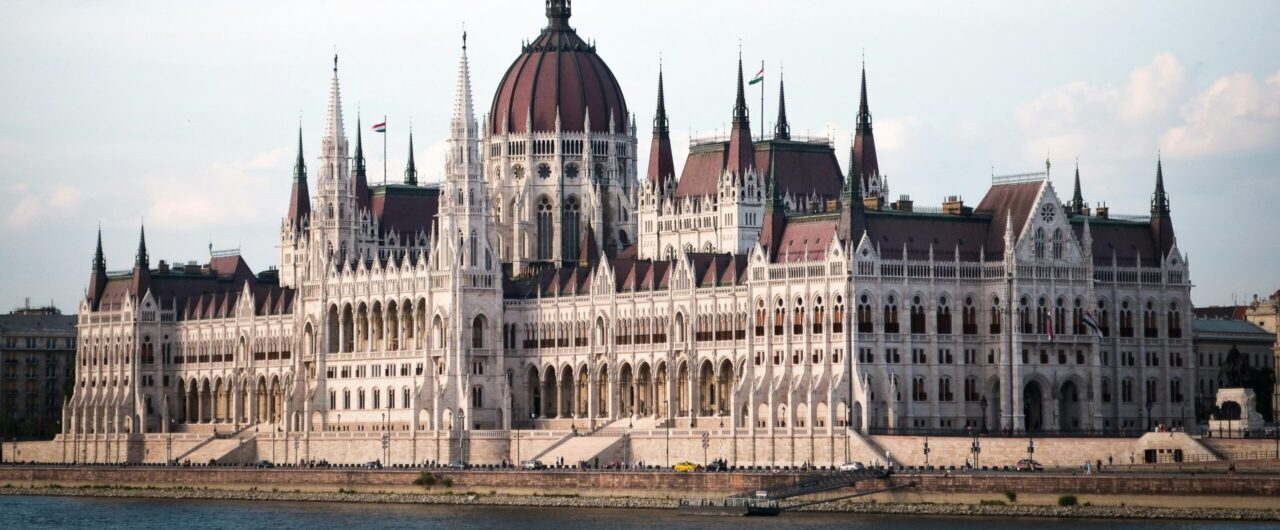
Hungary’s parliamentary election brought a spectacular victory for the opposition. Viktor Orbán has lost power after 16 years of continued rule. His challenger, Péter Magyar, managed to build a movement that took advantage of a system meticulously rigged to prevent the incumbent from ever losing power. It is a victory against a captured state that systematically used the Hungarian public assets for private profit and unfair partisan advantage. Yet, the electoral victory will not automatically restore democratic standards and a rule-based order. In her op-ed, Maria Skora argues that the recent experience of Poland, which has been struggling to overcome the consequences of its own autocratic episode, might help Hungary to navigate the risks of re-democratization.
From Democratic Back-to-Front-sliding
For eight years, during two consecutive terms, the national-conservative Law and Justice (PiS) party remodeled the state to seize political power. After taking office in 2015, the PiS government gained control over the Constitutional Tribunal, followed by the Supreme Court and the National Council of the Judiciary. Public resources were used for political campaigns, and high-ranking positions in state-owned enterprises served as rewards for party soldiers. Public broadcasters were captured while political pressure was exercised on commercial ones, who dared to criticize the government. A national-conservative grip was tangible in culture, education, and research. Funds were allocated to a new civil society that is ideologically aligned with the worldview promoted by PiS-led authorities.
This article was originally published in RevDem on 22 April 2026.