Florian Ranft in The Guardian: While the Trump administration and its allies seek to remake the world in their view, alternative visions of the international order are beginning to take shape.
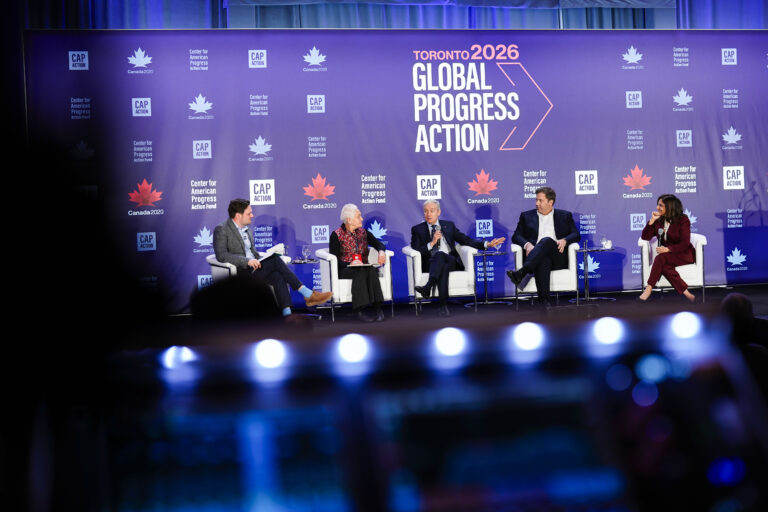
In Toronto, international government officials, leading thinkers, civil society representatives, and think-tank experts gathered for the Global Progress Action Summit.
With official diplomatic ties at the national level strained by unprecedented geopolitical realignment, where does the future of the transatlantic partnership lie?
How can structural transformation in former industrial regions be managed in a way that fosters economic resilience, climate action, and democratic trust?
Florian Ranft in The Guardian: While the Trump administration and its allies seek to remake the world in their view, alternative visions of the international order are beginning to take shape.
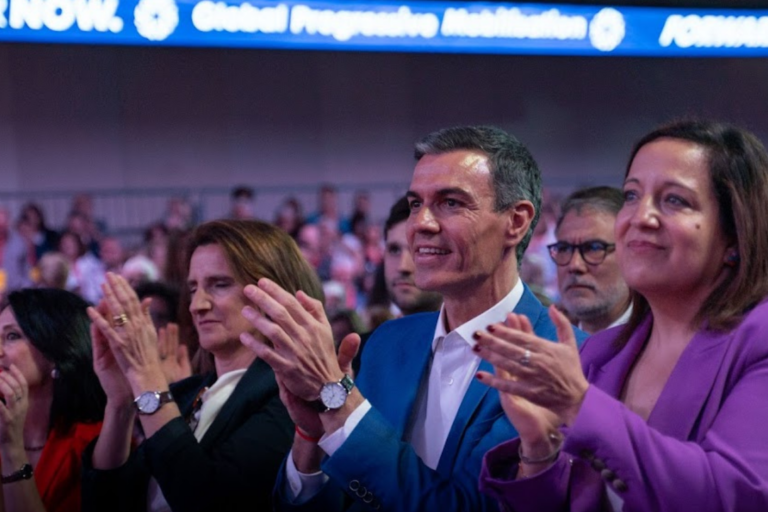
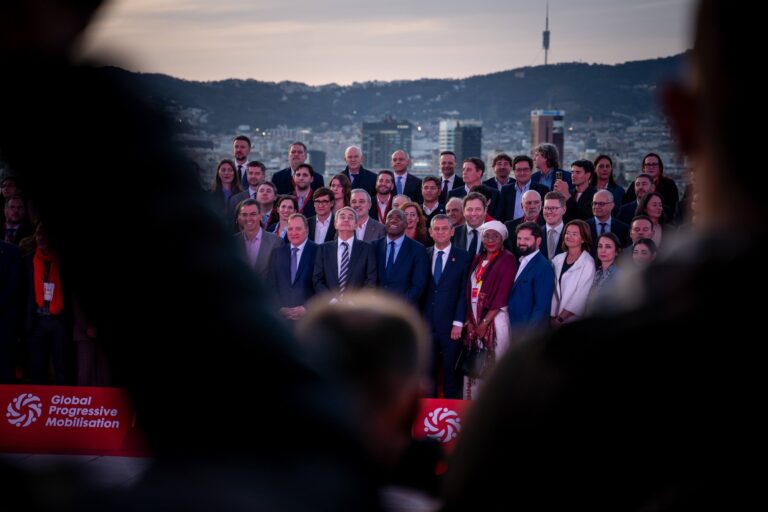
In Barcelona, heads of government and representatives of progressive parties and organisations, as well as civil society, have come together for the Global Progressive Mobilisation (GPM).
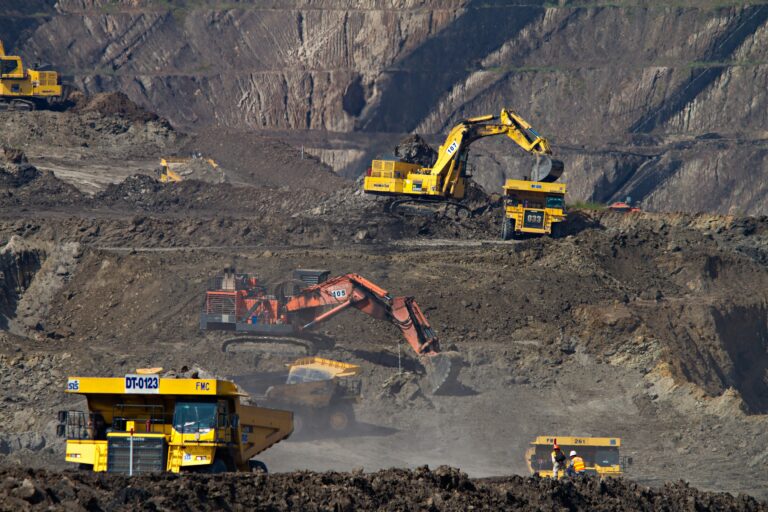
The transition away from fossil fuels is as much about democratic resilience as it is about energy. Steve Patterson explores the “political whiplash” of shifting national policies and the enduring struggle to protect community heritage from the erosion of both physical landscapes and institutional norms.
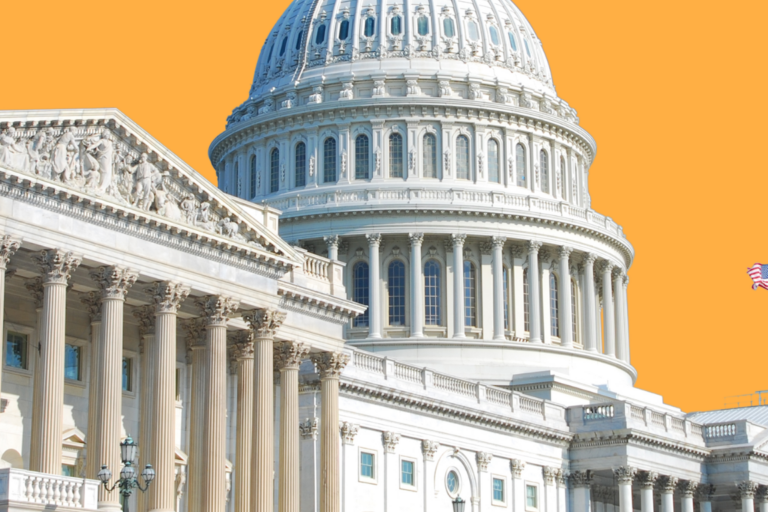
In a special Round Table Discussion we unpacked dynamics around the Democratic Party’s path to reclaiming the U.S. Congress – and what the Midterms mean for Europe and innovation.
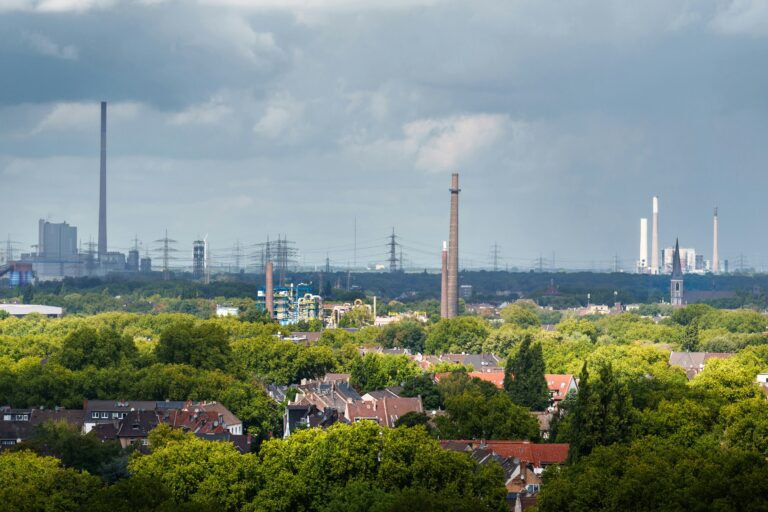
Drawing on three years of transatlantic research and exchange, the project’s closing conference explored actionable strategies for heartland revitalization—demonstrating that cities and municipalities are driving both economic revival and democratic renewal.
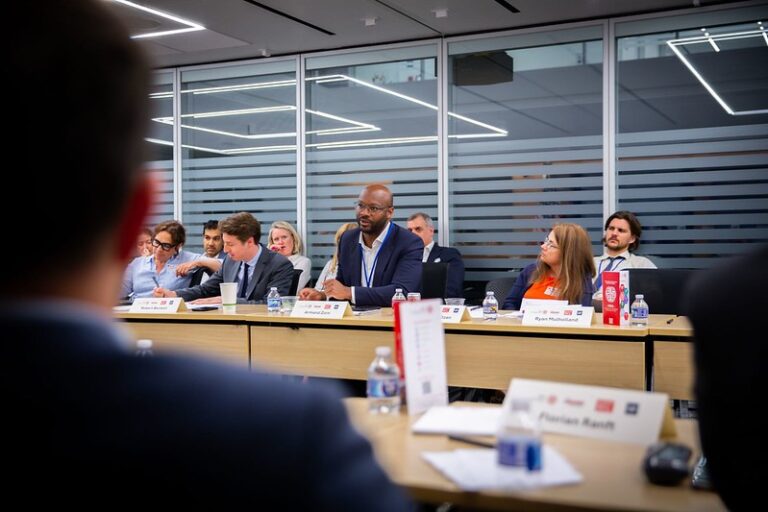
In an era marked by global insecurity, geopolitical friction, and economic transformation, the Progressive Economics Network (PEN) reconvened in Washington, D.C.