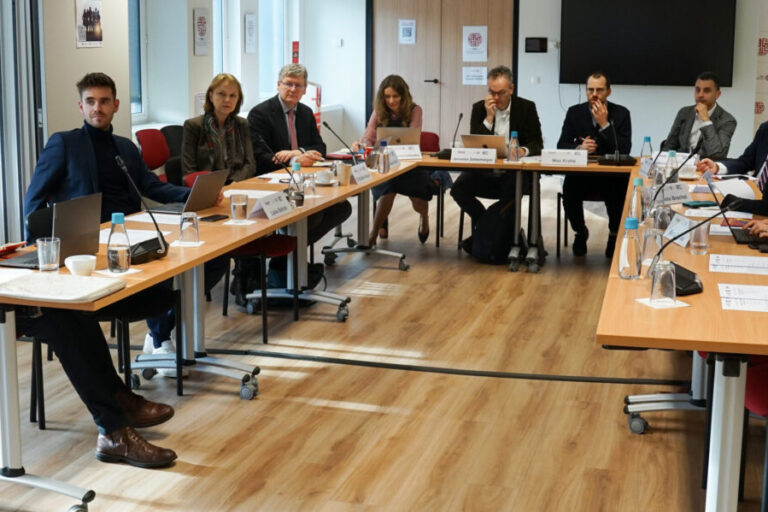
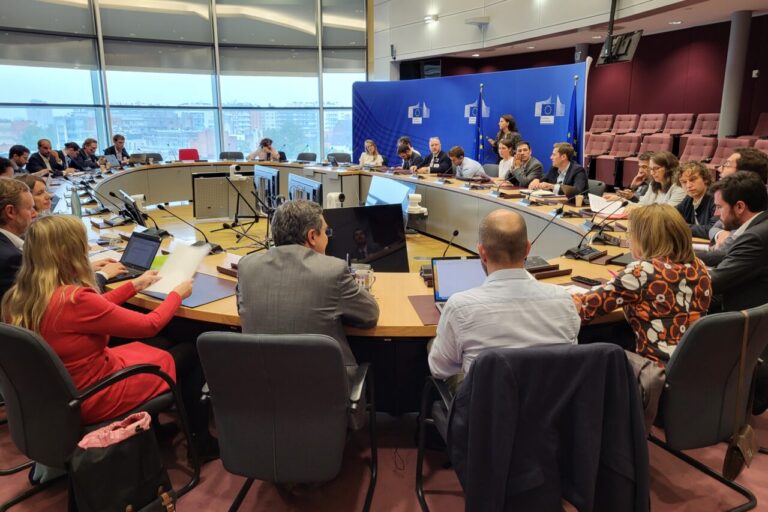
Drawing on three years of transatlantic research and exchange, the project’s closing conference explored actionable strategies for heartland revitalization—demonstrating that cities and municipalities are driving both economic revival and democratic renewal.
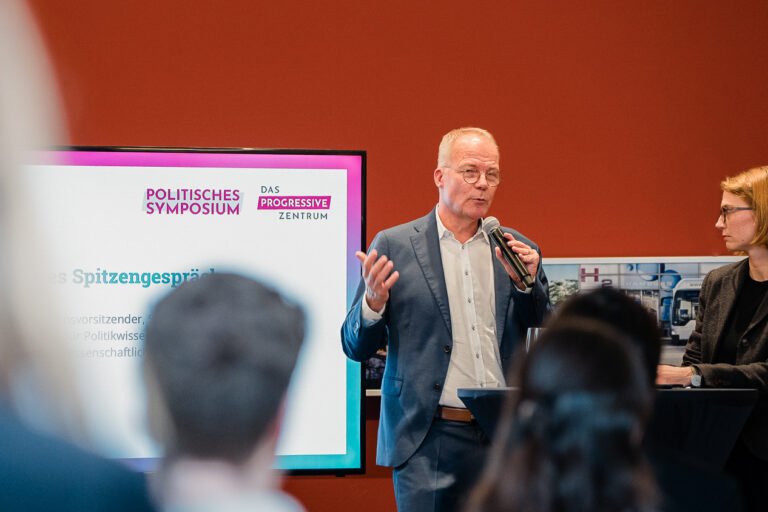
In an era marked by global insecurity, geopolitical friction, and economic transformation, the Progressive Economics Network (PEN) reconvened in Washington, D.C.
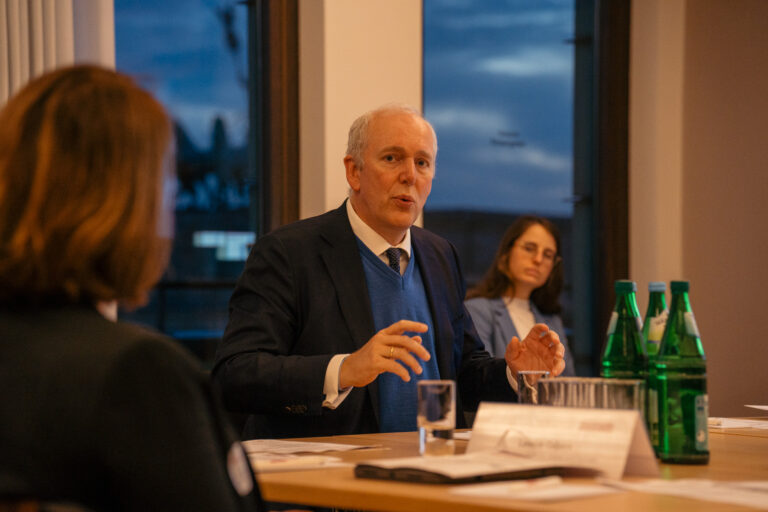
The CDU/CSU and SPD parties have reached an agreement in the exploratory talks at a remarkable speed to create a special fund for infrastructure and to provide a far-reaching opportunity to increase defense spending beyond the limits of the debt brake. How should these proposals be assessed? What needs to be considered for the sustainable success of this modernization agenda? These questions were discussed on March 7, 2025, in a background roundtable with experts.
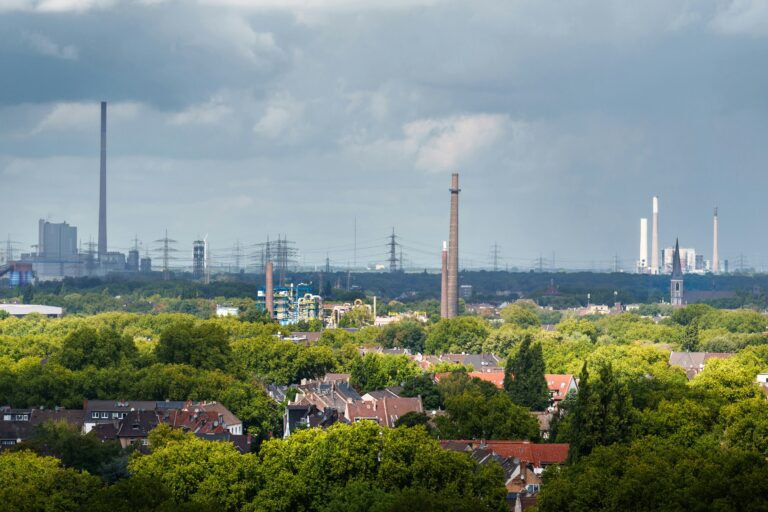
Two new policy papers offer valuable insights into (former) industrial regions in the United States. Here’s what we learned discussing them with experts.
Following Trump’s election to a second term, we asked experts what this outcome means for progressive forces – in the U.S., across various states, and in Europe. Here’s what they shared in our election debrief.
Ahead of the crucial election year 2024, pressure from the far right rises. During our two-day seminar in Stockholm, one question we particularly focussed on was what progressives can learn from the Swedish experience of dealing with right-wing populism in the upcoming election year.
How can we categorise different types of market interventions to deal with inflation implemented over the last two years? What were their costs, benefits, and impacts? How can we prepare for future inflation shocks?
How can member states achieve their industrial policy and green investment ambitions while ensuring fiscal sustainability during the process of turning the European economic framework greener and cleaner?