The study’s design and results have led to an overwhelmingly positive reception in Germany and created great interest in other countries. To take the debate to the European level, the study has now been translated into English and French
Despite more than two decades of populist parties gaining momentum in Europe, the phenomenon is still in need of an explanation. The significant gains made by those parties in Germany, Italy and Sweden underline the urgency of understanding the causes and appeal of populism.
To this end, the study “Return to the politically abandoned: Conversations in right-wing populist strongholds in Germany and France” has applied a groundbreaking approach: The study team has knocked at more than 5,000 doors in politically abandoned areas, holding conversations of 25 minutes on average while asking eleven open questions.
The study is now available in English and French on a dedicated website.
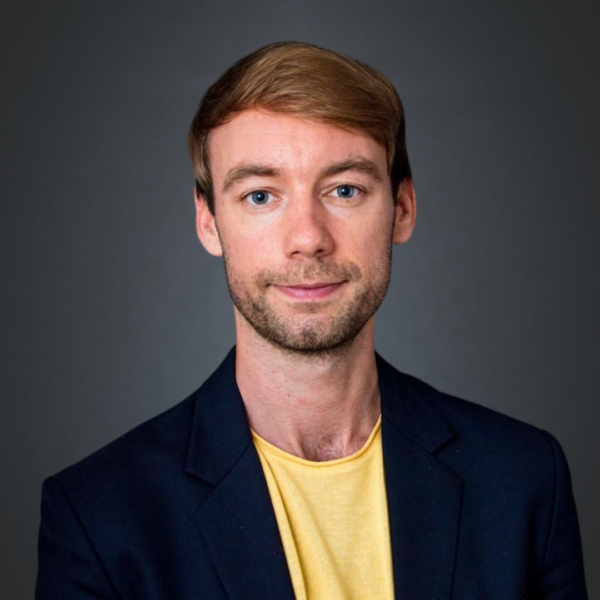
Johannes Hillje is a political and communications consultant working in Berlin and Brussels. He works for institutions, political parties, companies and NGOs. In 2014, he managed the EU election campaign of the European Green Party.
The transition away from fossil fuels is as much about democratic resilience as it is about energy. Steve Patterson explores the “political whiplash” of shifting national policies and the enduring struggle to protect community heritage from the erosion of both physical landscapes and institutional norms.
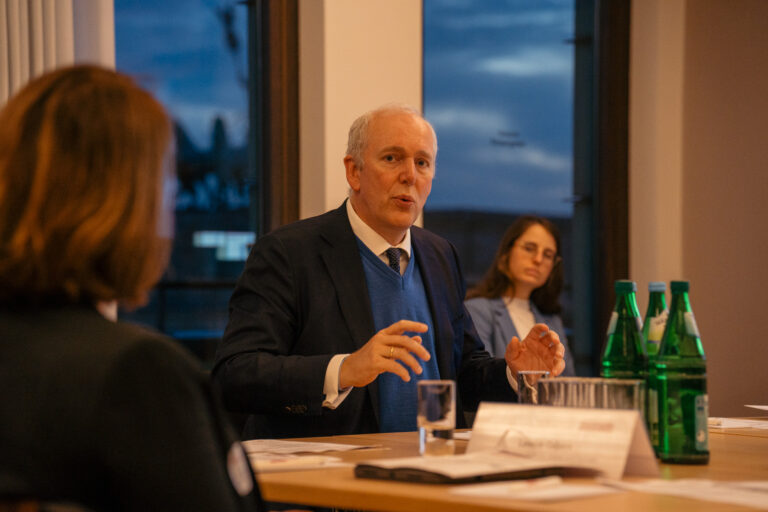
The CDU/CSU and SPD parties have reached an agreement in the exploratory talks at a remarkable speed to create a special fund for infrastructure and to provide a far-reaching opportunity to increase defense spending beyond the limits of the debt brake. How should these proposals be assessed? What needs to be considered for the sustainable success of this modernization agenda? These questions were discussed on March 7, 2025, in a background roundtable with experts.
Progressive parties swiftly need to turn the dial, Florian Ranft states in The Guardian. The attention needs to be moved from simply despising the enemies of democracy to what people really expect.