Politics in Poland: eternal duopoly or refreshing breeze?

While the European Parliament elections near, politics in Poland is at such a crux that the later parliamentary polls there will have wide reverberations.

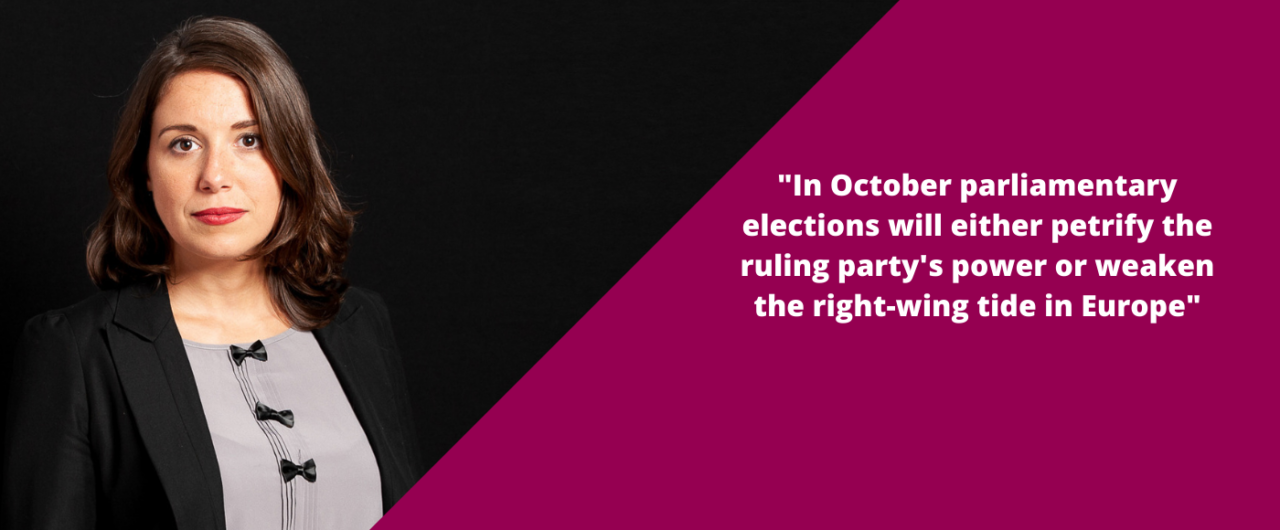
In her Social Europe article Maria Skóra focuses on the importance of the parliamentary elections in Poland in autumn 2019. New actors are emerging the Polish political scene, which will have a massive impact on the European stage and the left. The European and especially the parliamentary elections will be a fight for its survival on the Polish political scene.

This month, the Italian interior minister, Matteo Salvini of the Lega, travelled in search of possible partners for a ‘European spring’ alliance —‘a new plan for Europe’—comprising similar right-wing, populist, Eurosceptic movements. On his way, he had to stop by in Poland, governed since 2016 by the nationalist-conservative Law and Justice (PiS) party, which seems a natural partner for this enterprise. Most analysts are of the opinion that the parliamentary elections will be a battle for the centre. Yet, as in other EU countries, Poland also experiences the rise of right-wing populism and a nationalist temper.

Author

Dr. Maria Skóra

Policy Fellow
Maria Skóra is a policy fellow at Das Progressive Zentrum. Previously, she was Research Associate at the Institut für Europäische Politik and head of the International Dialogue program at Das Progressive Zentrum.

Further articles

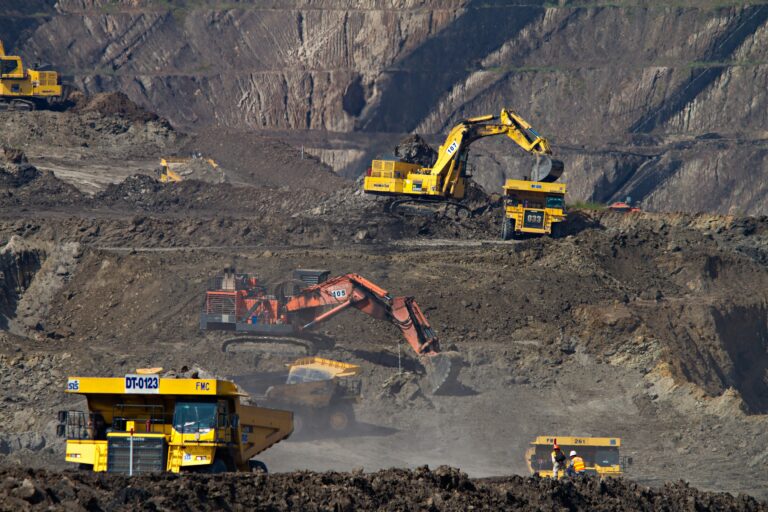
A wide-angle, high-perspective photograph of a vast open-pit mining operation. Multiple pieces of heavy industrial machinery are active across tiered dirt terraces, including large yellow haul trucks and hydraulic excavators in yellow and orange. The scene captures the scale of resource extraction, with steep, excavated rock walls in the background and a dusty, industrial atmosphere.

Buried Villages, Fragile Democracies: Coal, Community, and the Unsteady Politics of the Climate Transition
Posted on
The transition away from fossil fuels is as much about democratic resilience as it is about energy. Steve Patterson explores the “political whiplash” of shifting national policies and the enduring struggle to protect community heritage from the erosion of both physical landscapes and institutional norms.

How can the new special fund and the reform of the debt brake achieve optimal effectiveness?

Posted on
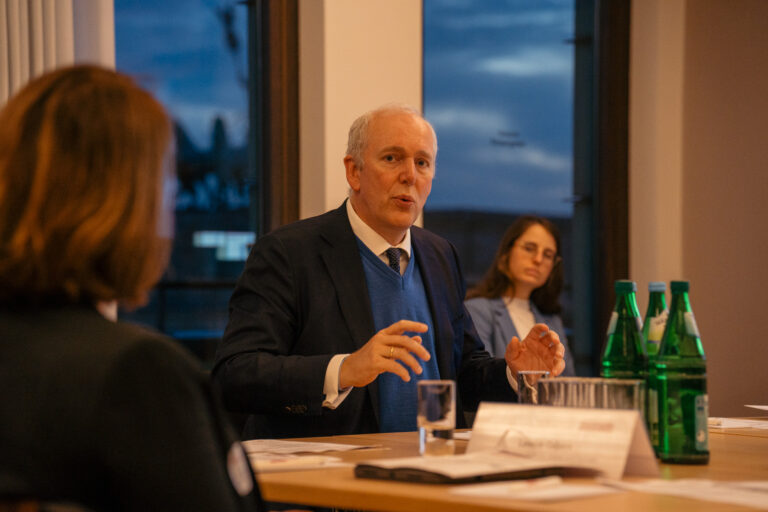
The CDU/CSU and SPD parties have reached an agreement in the exploratory talks at a remarkable speed to create a special fund for infrastructure and to provide a far-reaching opportunity to increase defense spending beyond the limits of the debt brake. How should these proposals be assessed? What needs to be considered for the sustainable success of this modernization agenda? These questions were discussed on March 7, 2025, in a background roundtable with experts.
Slider: Coverpicture for the article of florian ranft in the Guardian

Friedrich Merz shattered a political taboo. This is a chance for the centre-left in Germany

Posted on
Progressive parties swiftly need to turn the dial, Florian Ranft states in The Guardian. The attention needs to be moved from simply despising the enemies of democracy to what people really expect.
share: