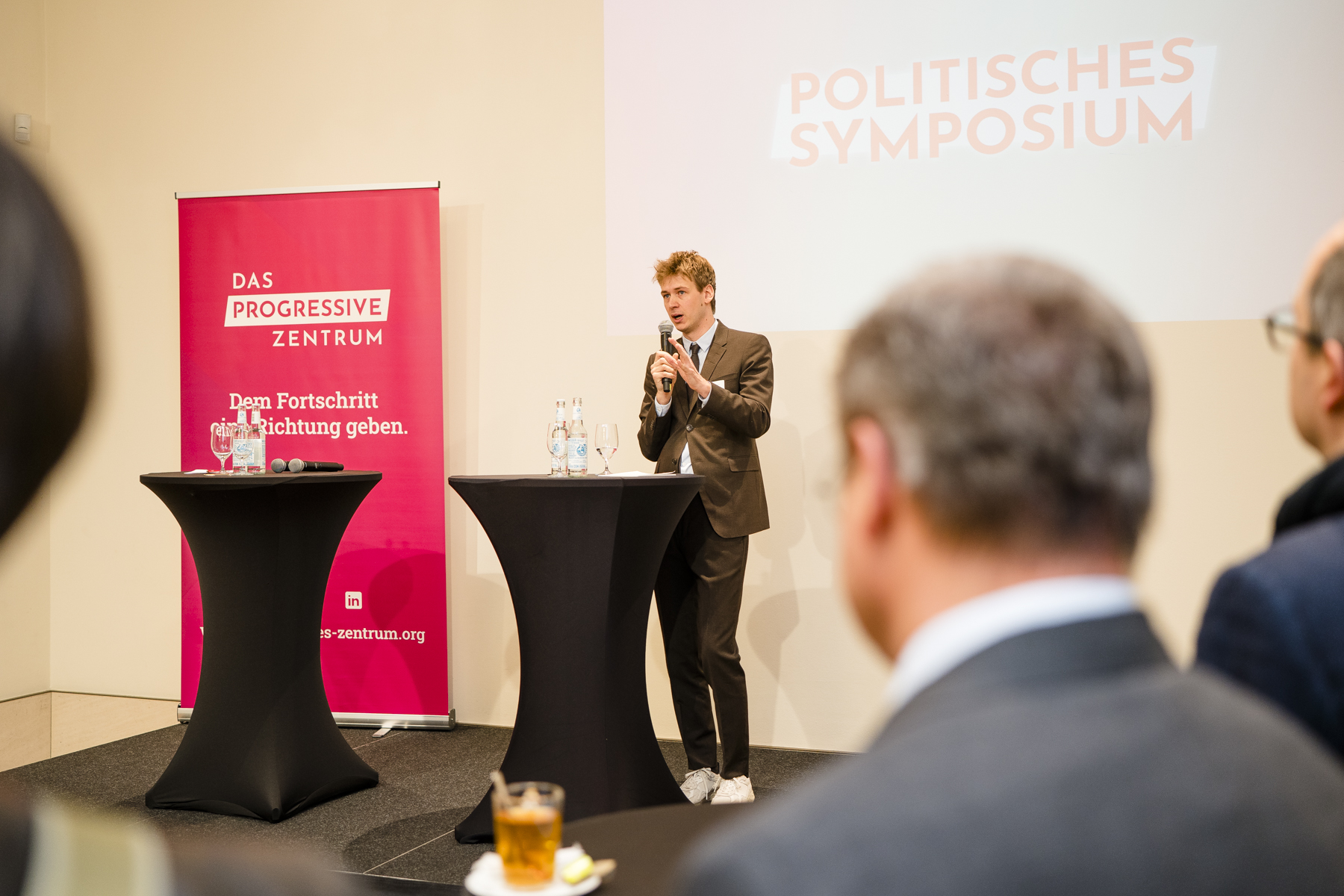
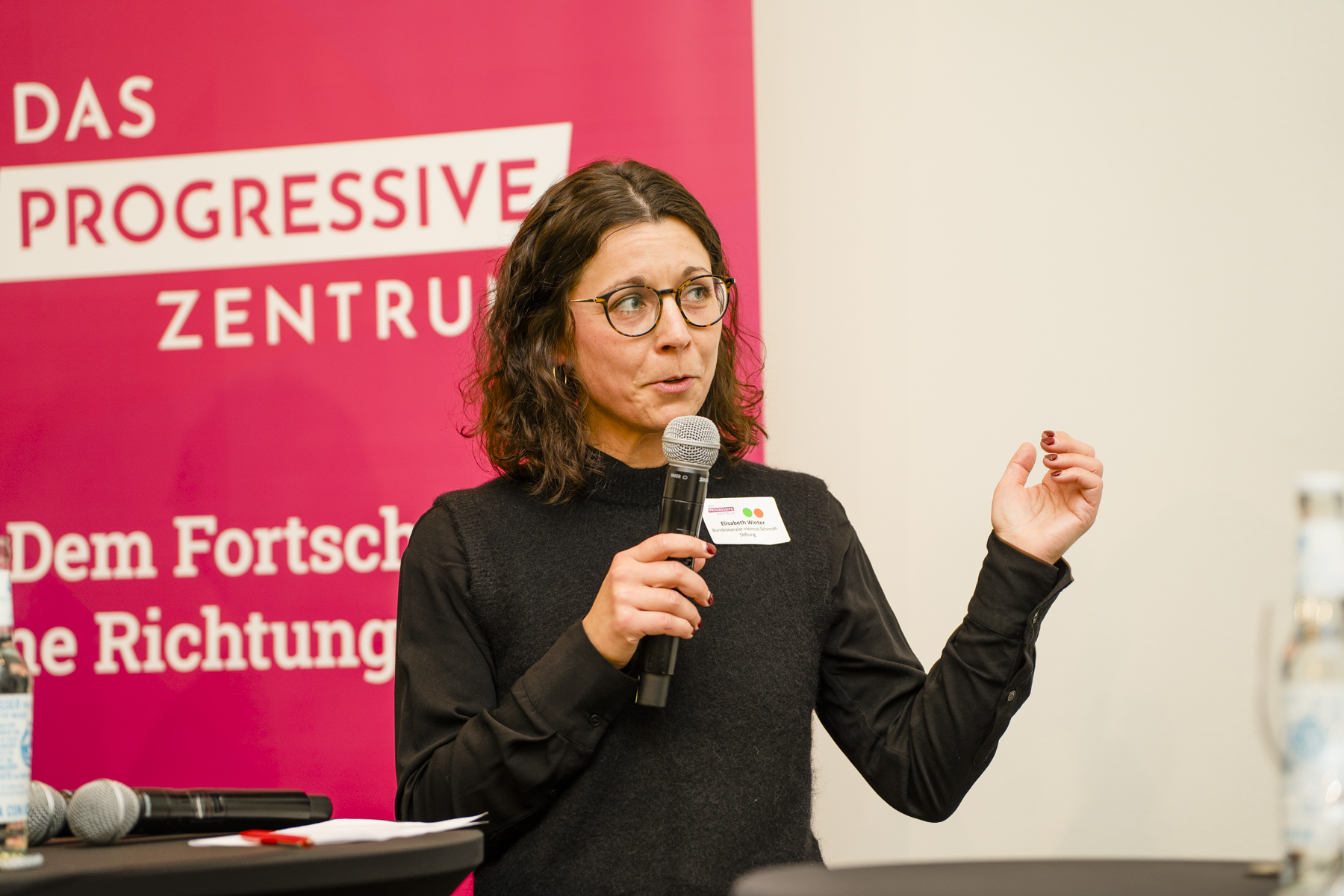
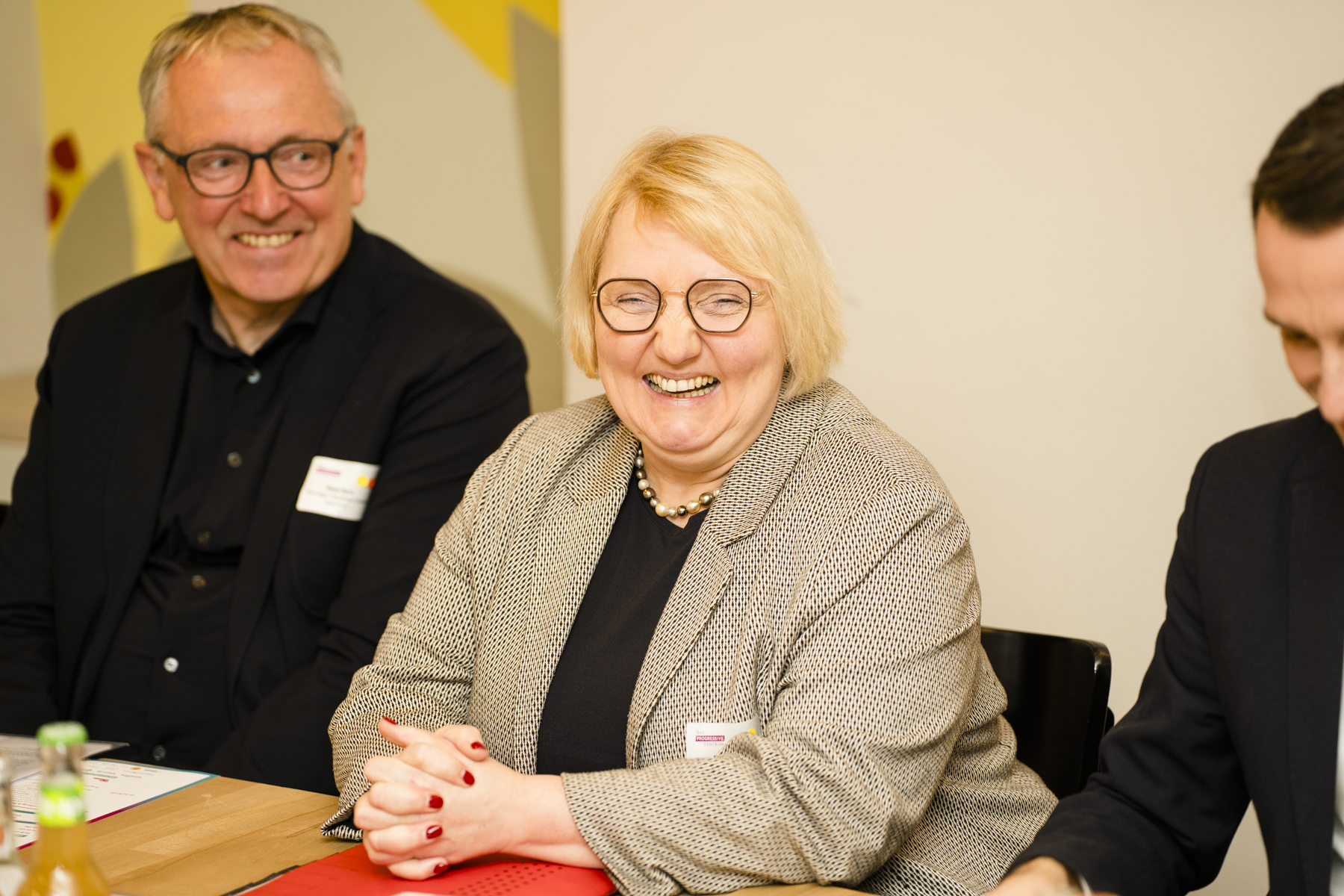
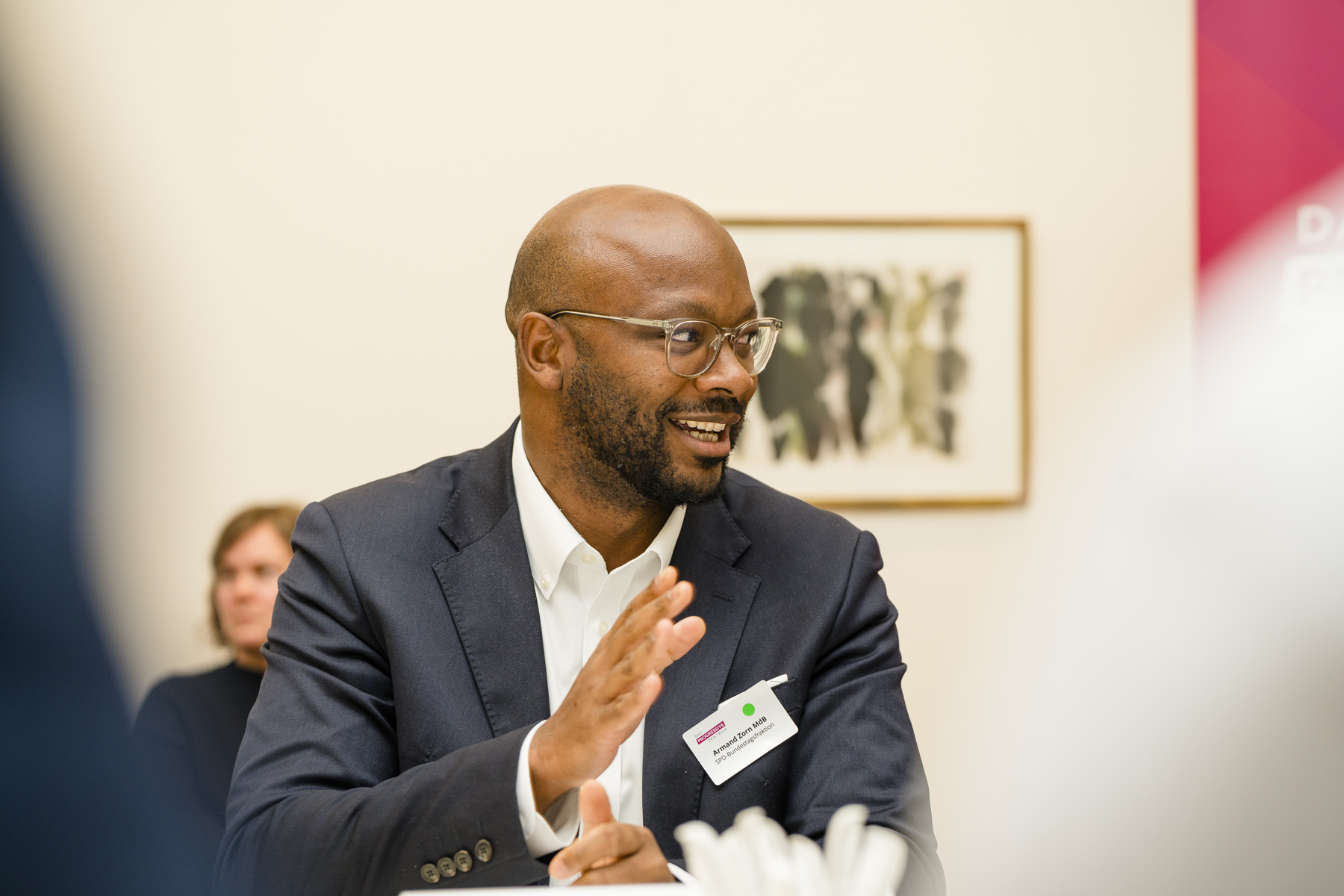
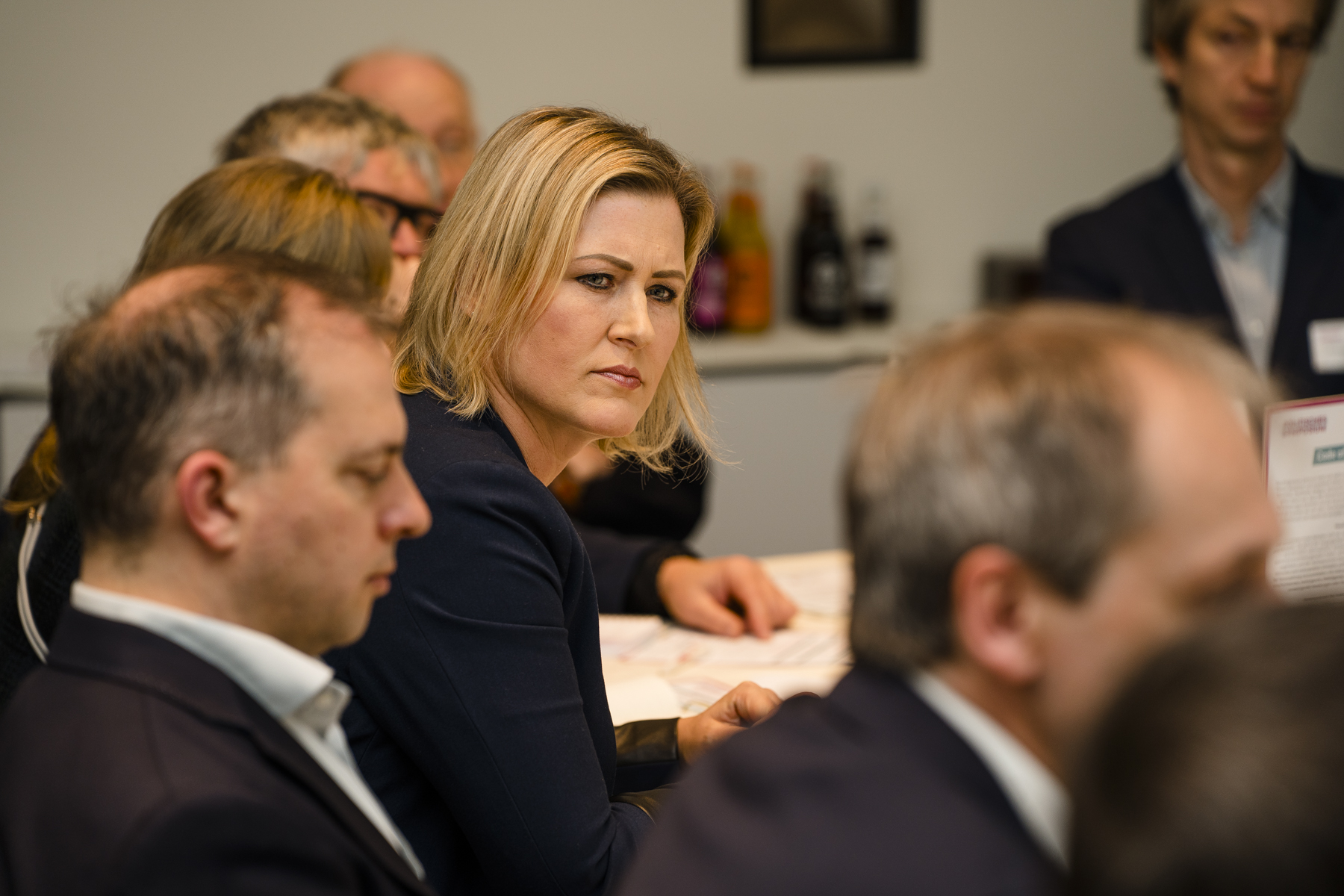
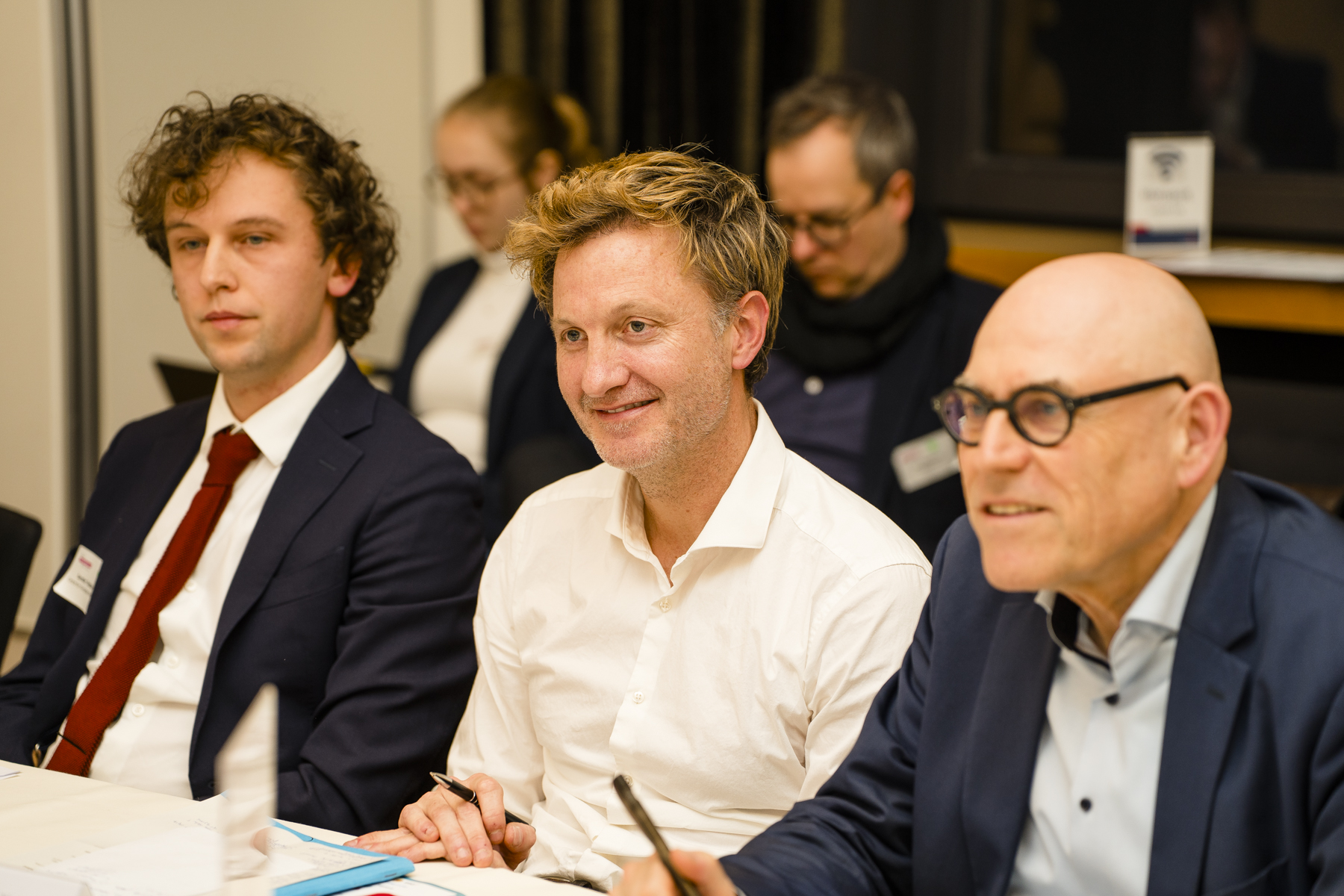
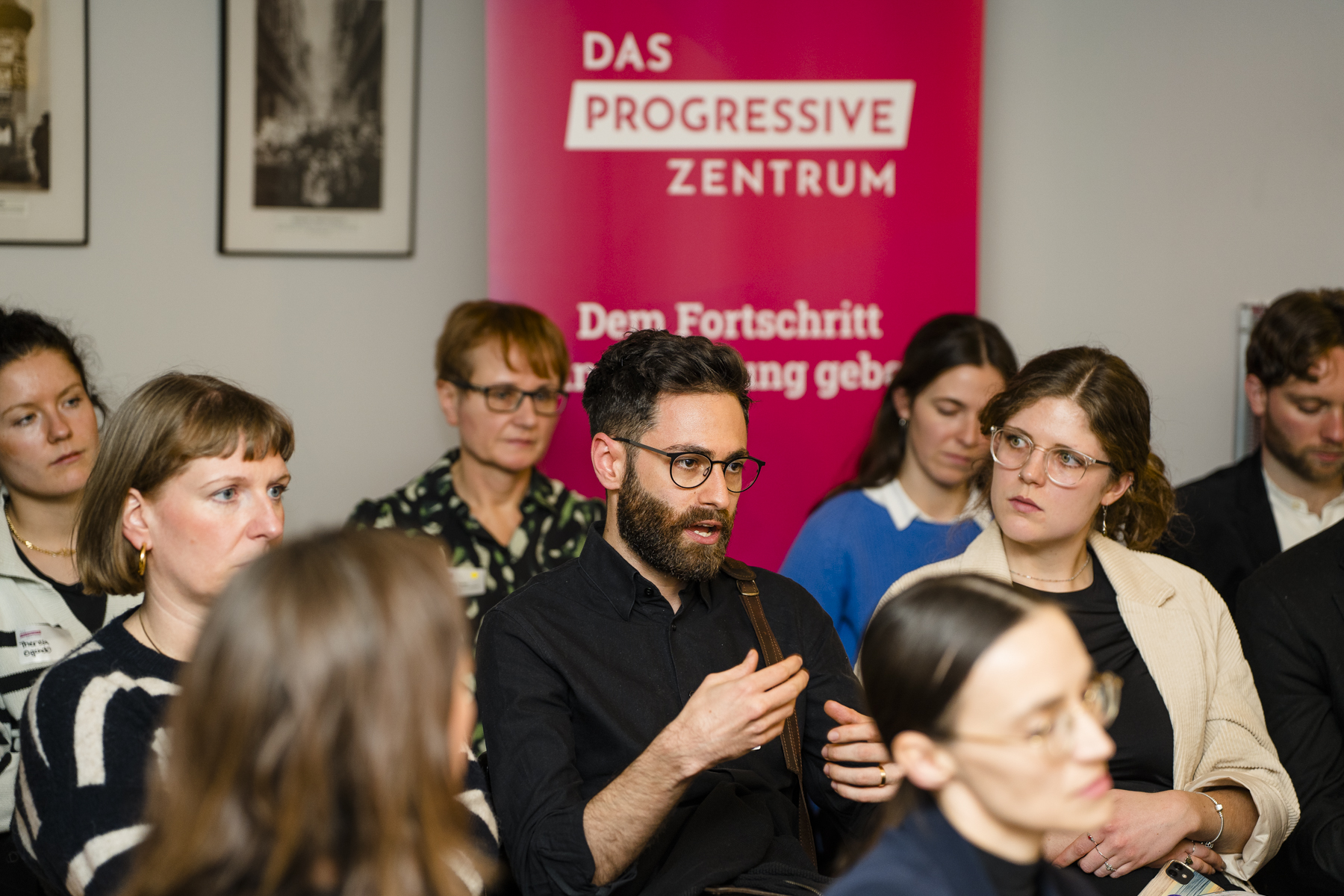
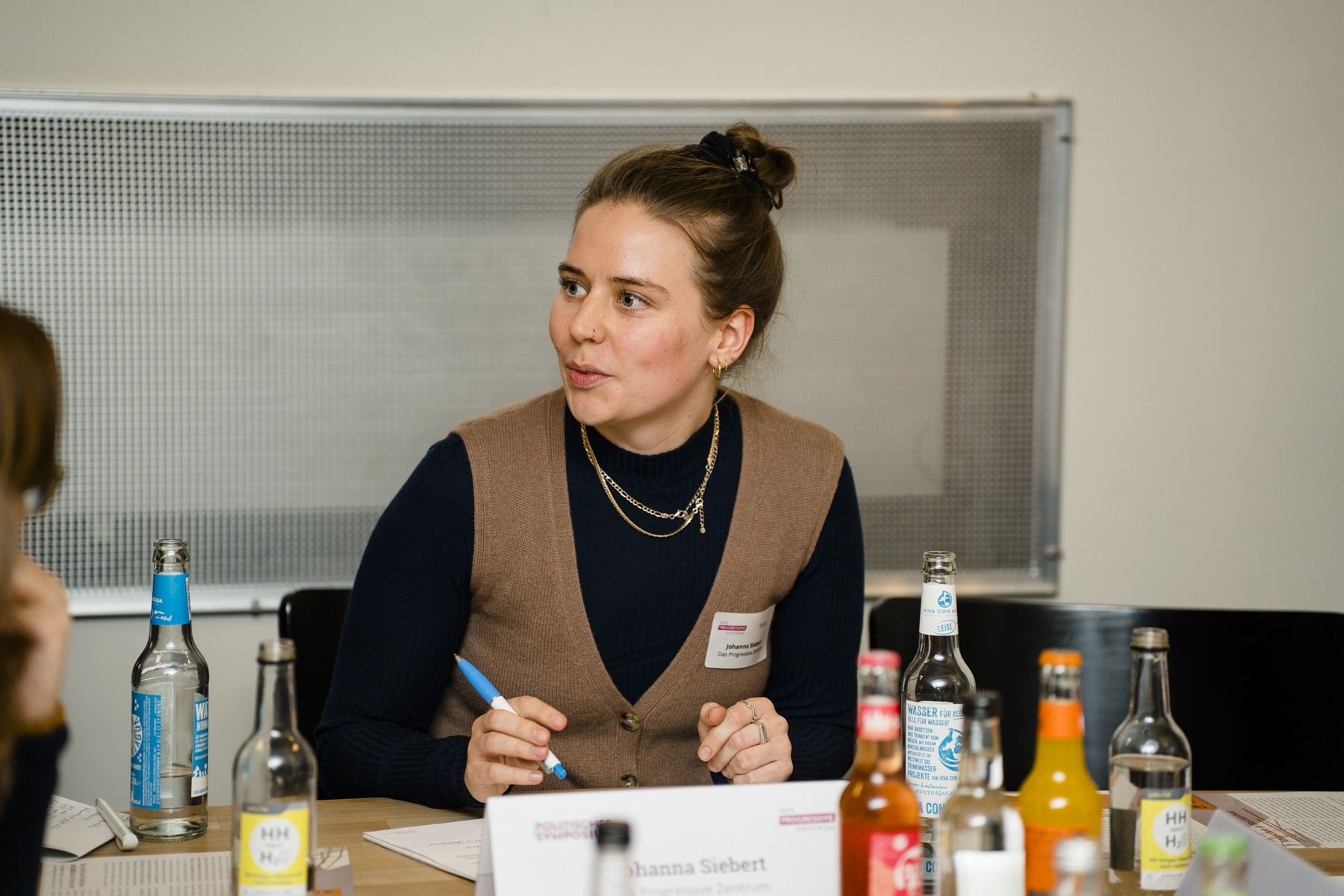
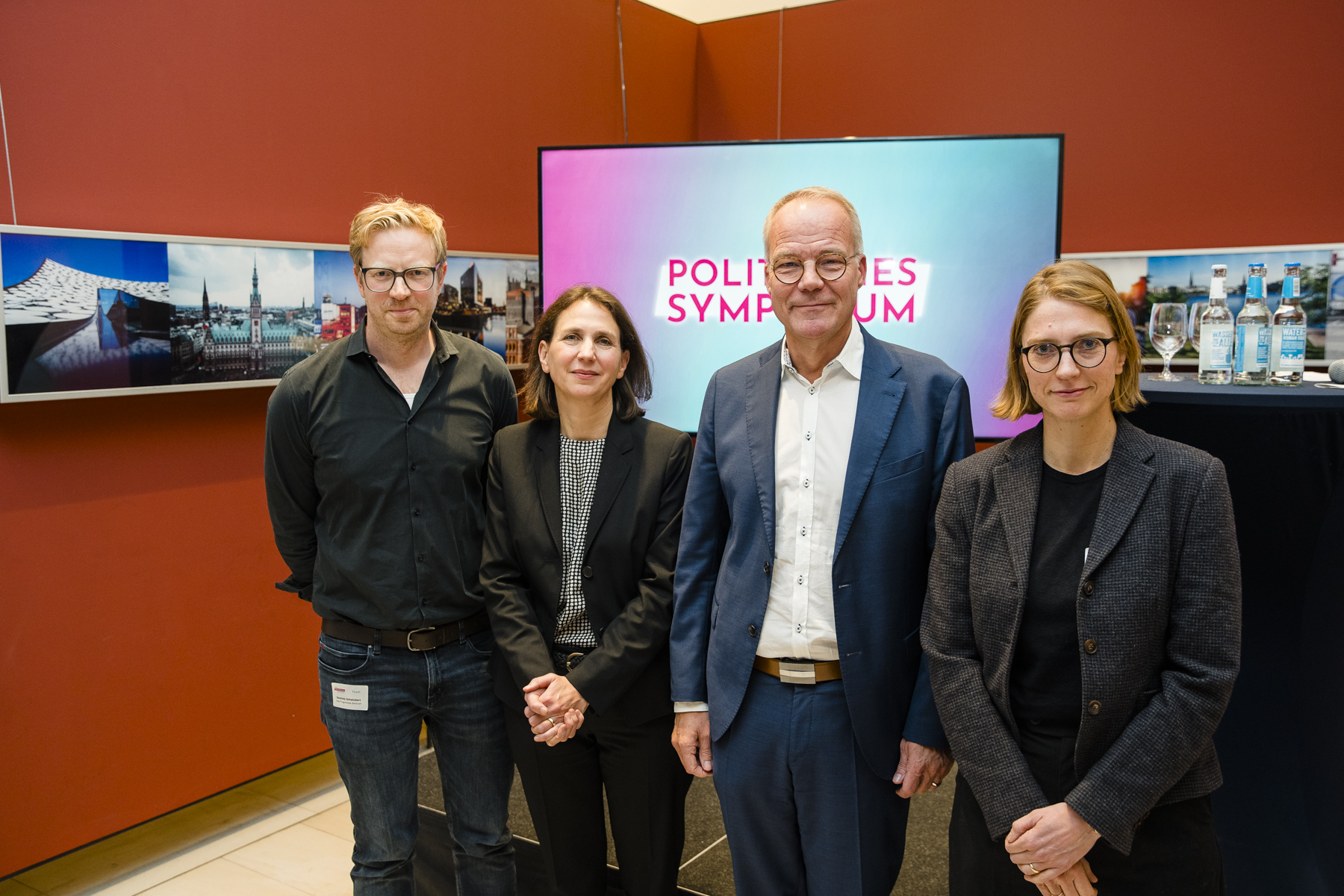
What does responsibility mean for Germany in 2025? This question was the focal point of the fourth edition of our Political Symposium on 4 December 2025. Around 100 stakeholders from politics, economics, and academia gathered in Berlin to debate the defining challenges of our time. The discussions centred on how Germany can renew the foundations of its successful model (Modell Deutschland) and regain strategic agency amidst global uncertainty, rising geopolitical tensions, and profound economic and social transformations.
The situational analysis made it clear that this involves more than individual policy areas. The liberal order is under pressure from geopolitical shifts, dwindling trust in international institutions, and a security architecture that can no longer be taken for granted. Established certainties are giving way to a new reality in which responsibility becomes the central category for orientation.
At the same time, it became evident that responsibility must not remain an abstract concept. In a global competition between liberal, authoritarian, and state-capitalist models, Systemwettbewerbsfähigkeit (systemic competitiveness – the ability of a democratic, market-based system to remain competitive against rival political-economic models) is crucial. This requires strategic clarity, economic agency, and a positive vision for the future that goes beyond mere crisis management.
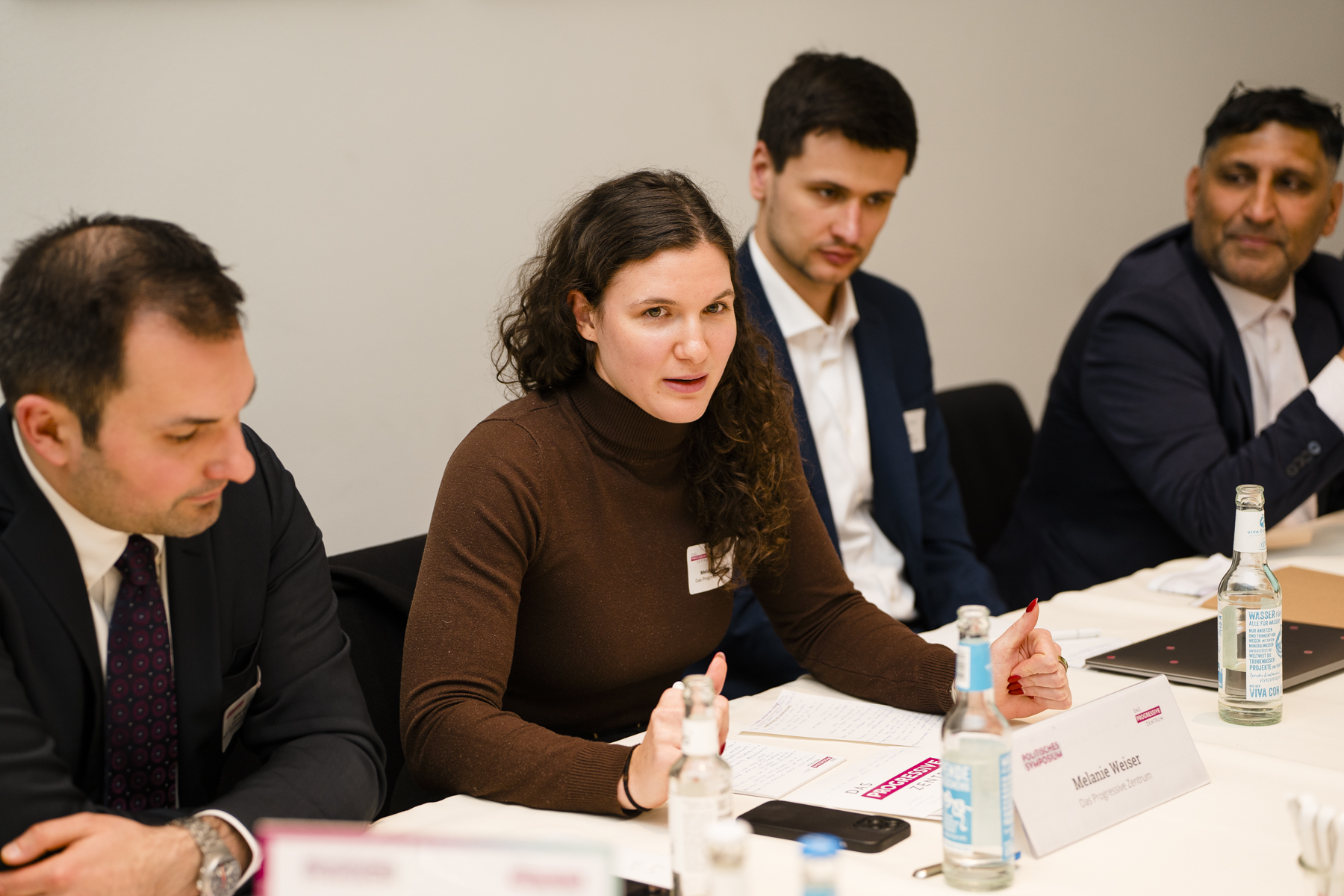
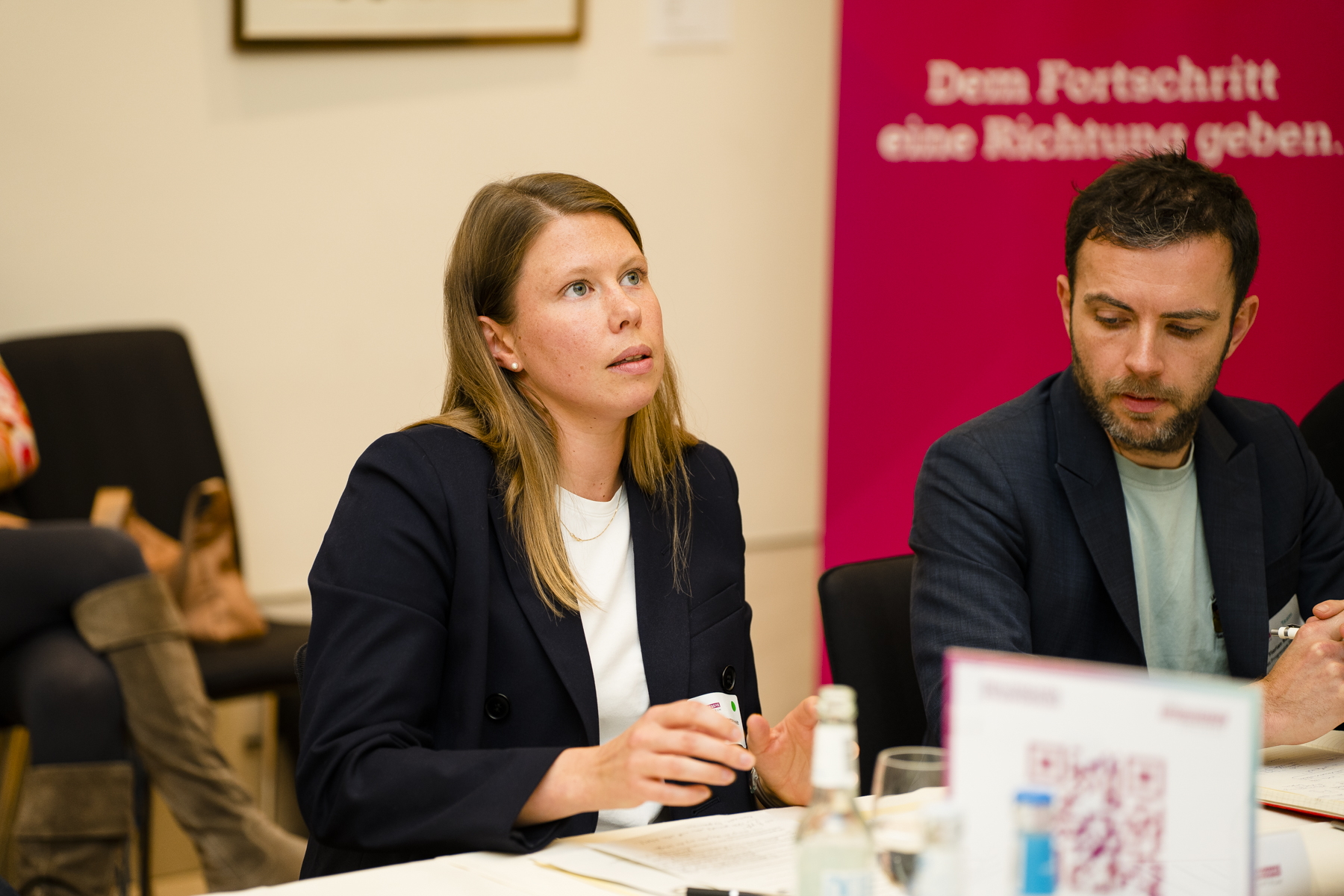
Against this background, the symposium deepened the debate across three specialist working groups. These examined responsibility through the lenses of economic strength, security policy resilience, and social justice.

Economic Agency and Genuine Digital Sovereignty
The working group on industrial policy and innovation focused on how Germany and Europe can remain economically viable without creating new dependencies or jeopardizing the European Single Market. Discussions included which technologies and sectors are truly strategically indispensable from a security perspective, and what institutional conditions are needed to implement investments more quickly, with better coordination, and a higher appetite for risk.
There was a broad consensus that digital dependencies are real, permanent, and multifaceted – and that Europe must respond with a strategic realignment. Sovereignty was understood not as autarky, but as the capacity to consciously shape technological and economic systems. Furthermore, it was noted that Europe’s industrial strengths and existing value-creation ecosystems must be leveraged more strategically. Finally, trust emerged as a central factor for success: trust between the state and its citizens, as well as between the state and the private sector.
Translating Security and Resilience Momentum into a Coherent Strategy
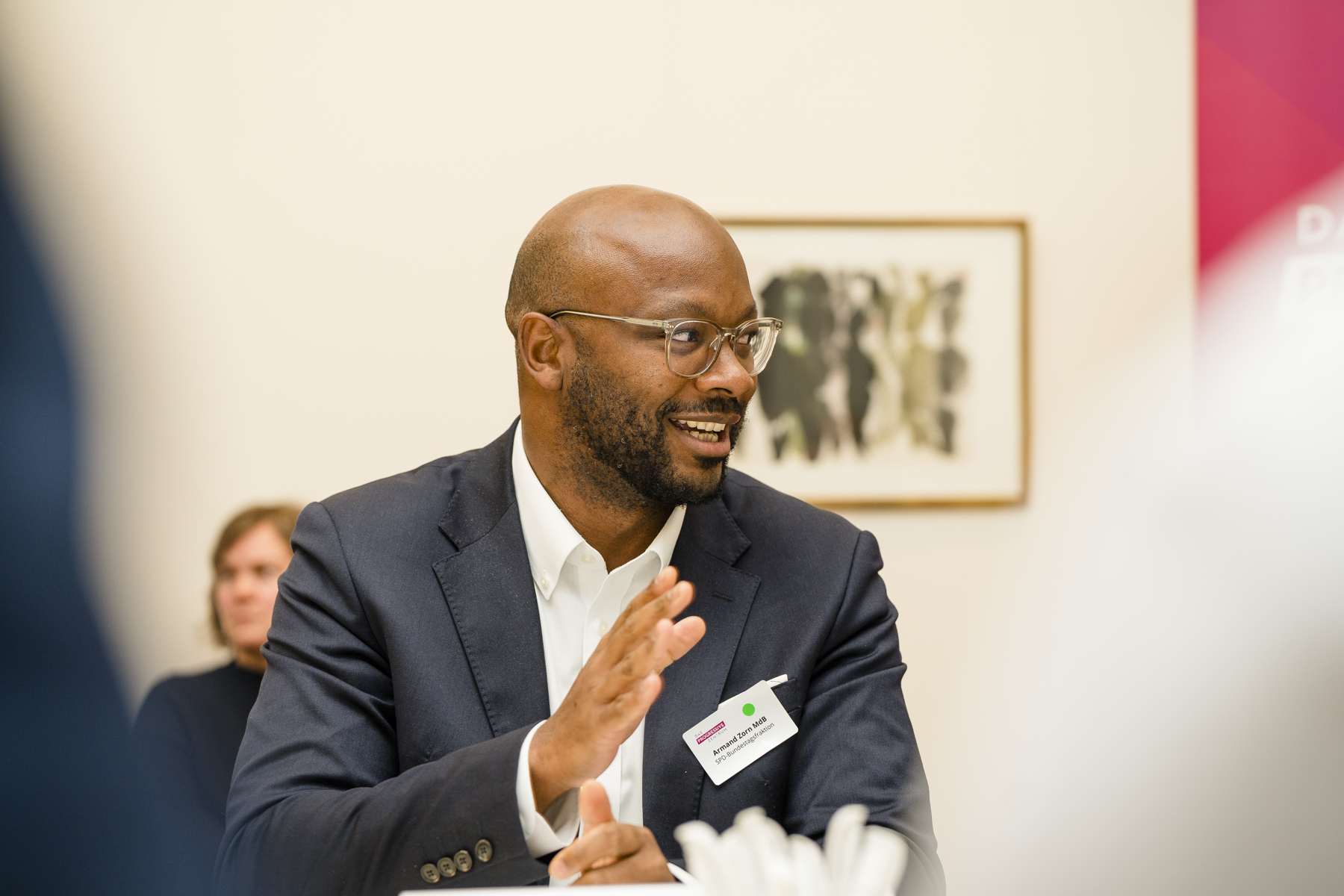
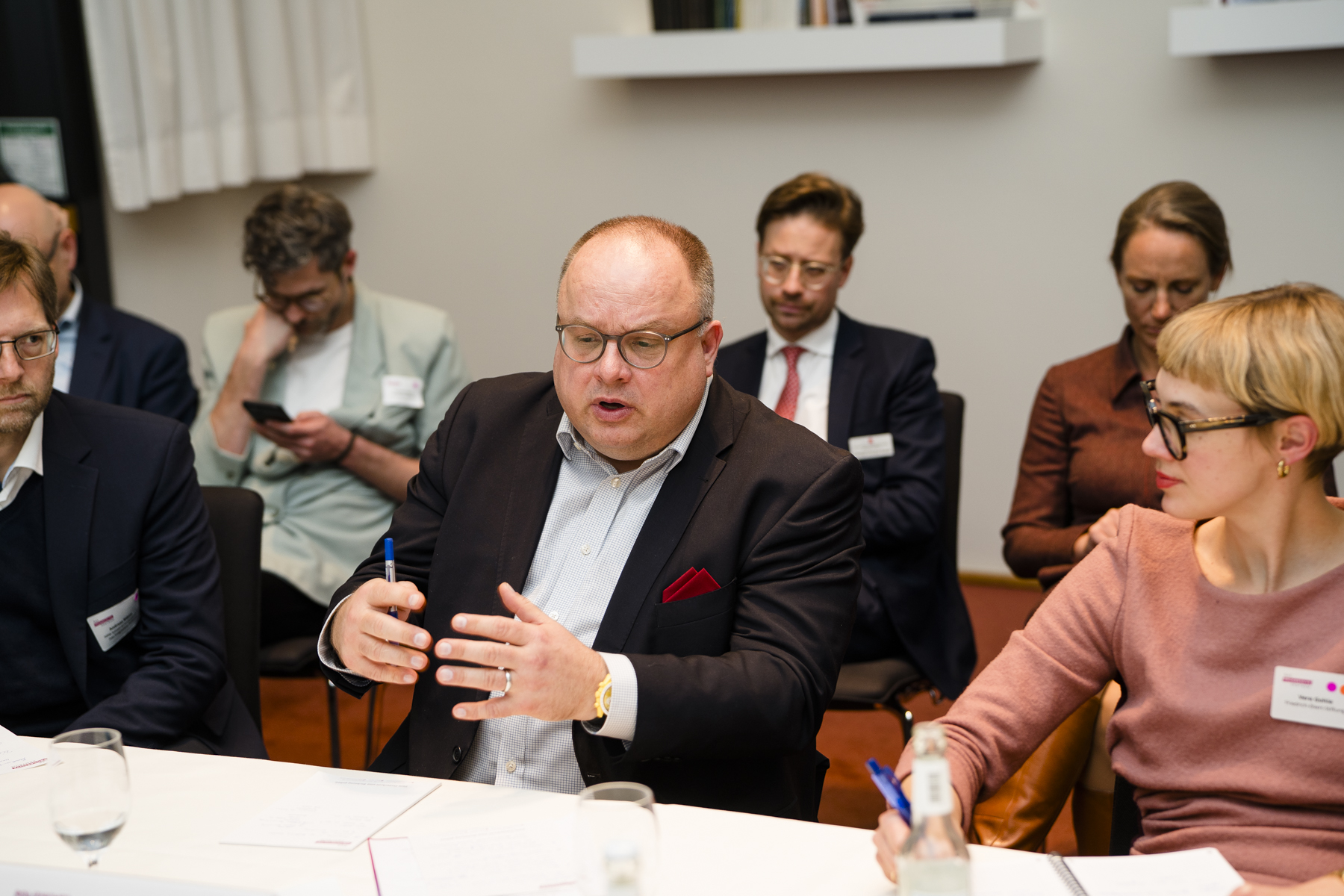
Discussions on security highlighted the dissolving boundaries between economic, security, and social policy. The shared assessment was that economic strength and Verteidigungsfähigkeit (defence capability/readiness) should no longer be viewed as separate policy fields, but as prerequisites for mutual resilience.
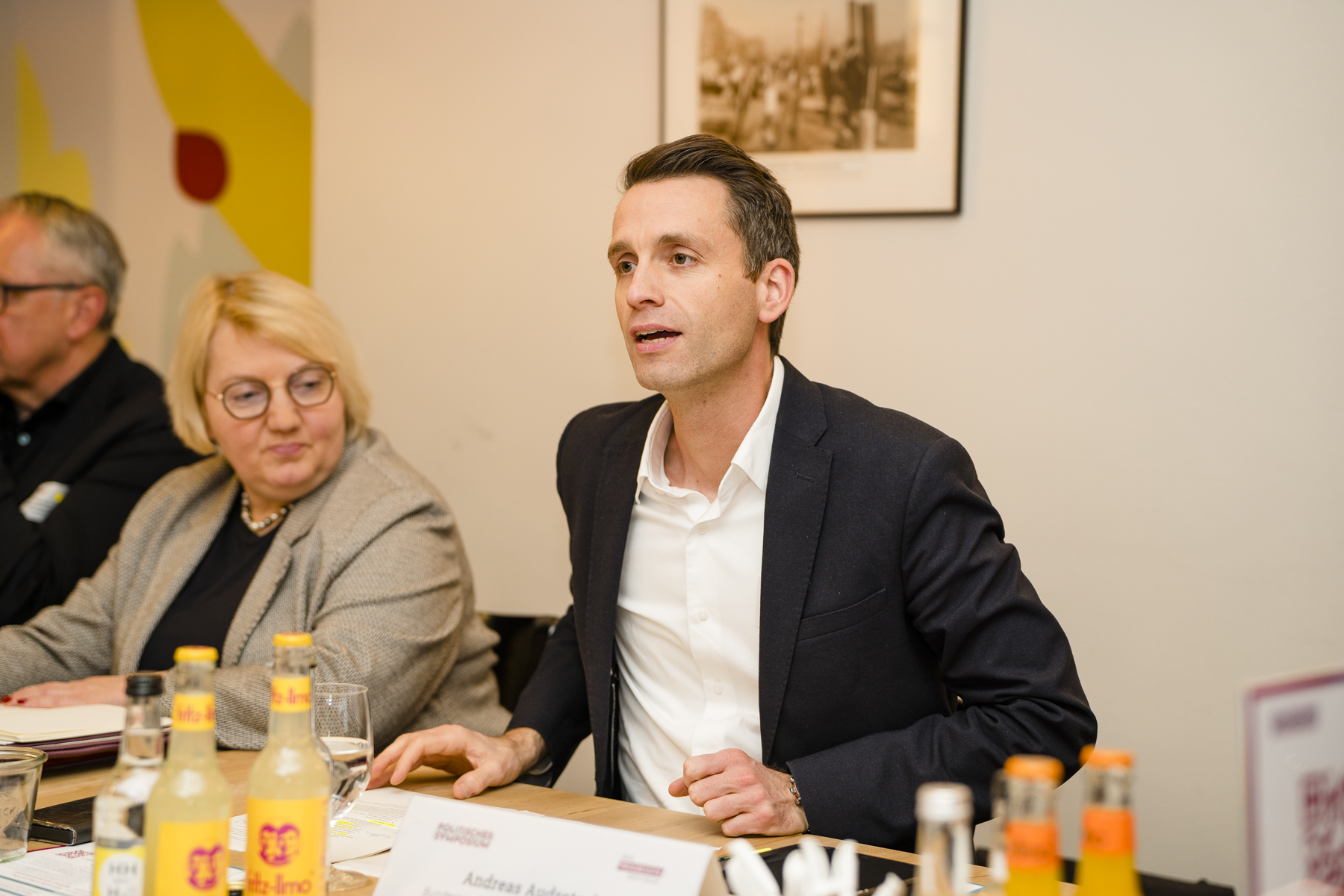
There was also agreement that the current momentum must be translated into a coherent strategy. Priority areas for action include the mobilisation of private capital through state guarantees, the stronger integration of civilian infrastructure as a defensive factor, and political off-take guarantees to signal stability to industry and investors. Furthermore, it was emphasised that security must be reorganised both institutionally and culturally. This includes a stronger strategic coordination capacity within the government, as well as the involvement of civil society through active citizenship.
Good Work and State Capacity as Factors of Trust
The working group on the welfare state and the labour market focused on how to secure trust during periods of accelerated change. There was a broad consensus that “simplification” is indispensable – but it must precede digitisation, not serve as a substitute for it. Municipalities were identified as central actors that must be strengthened and unburdened to make state capacity visible on the ground.
At the same time, it was emphasised that an open debate on distribution is necessary to politically legitimise reforms. “Good Work” was highlighted as a factor relevant to democracy, as was the importance of codetermination and a transition that is socially cushioned and participation-oriented. Dissent emerged regarding the scope of simplification measures, the division of financial responsibility between the federal, state, and local levels, and the actual readiness of employees to engage in further training.
In-depth Conversations and a Wish for the Year’s End
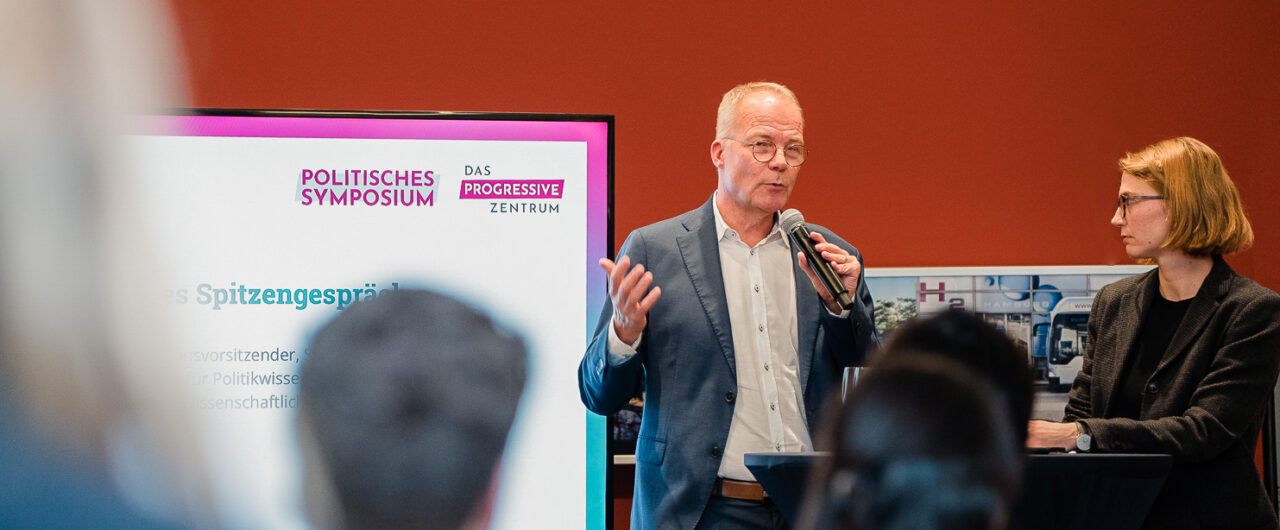
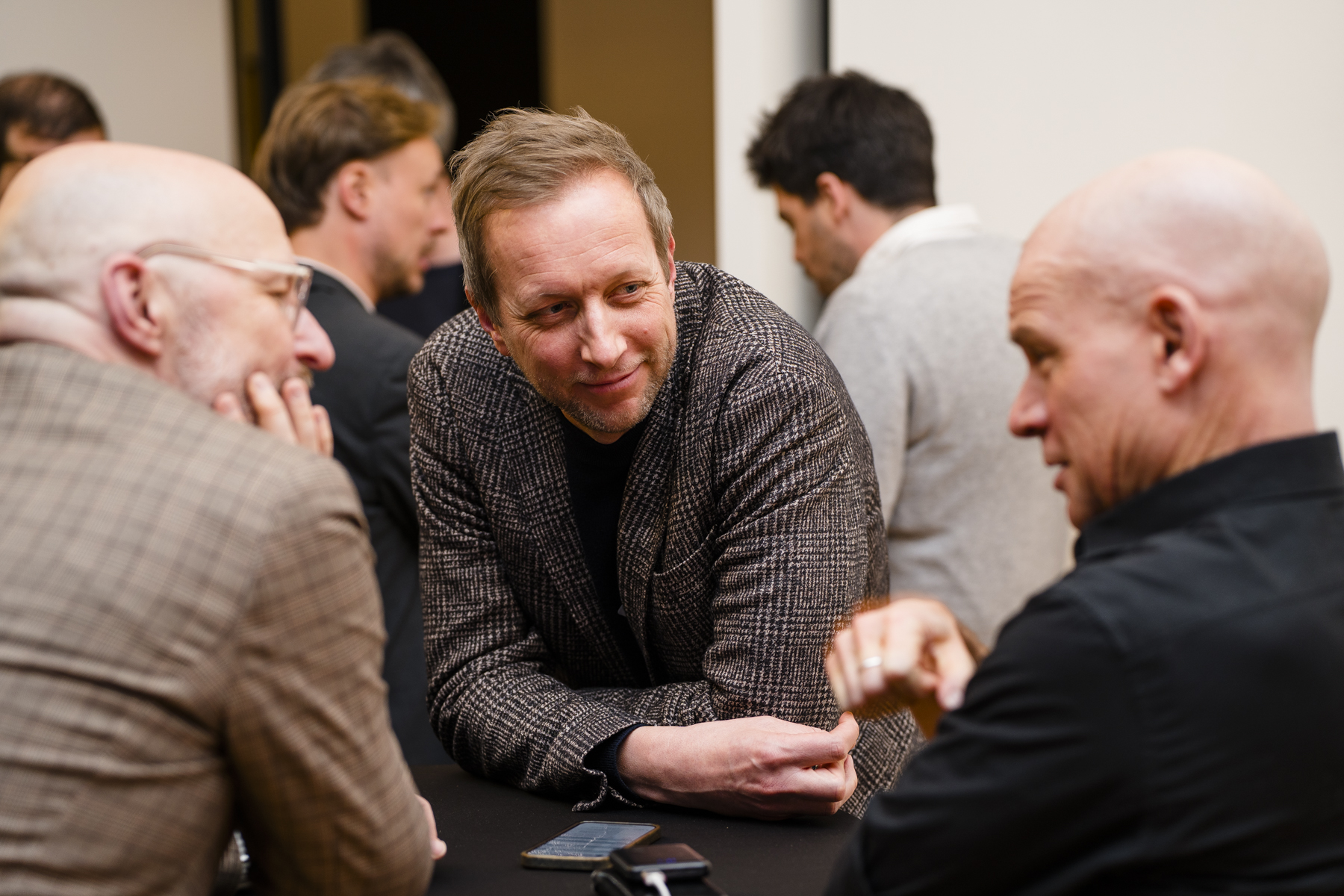
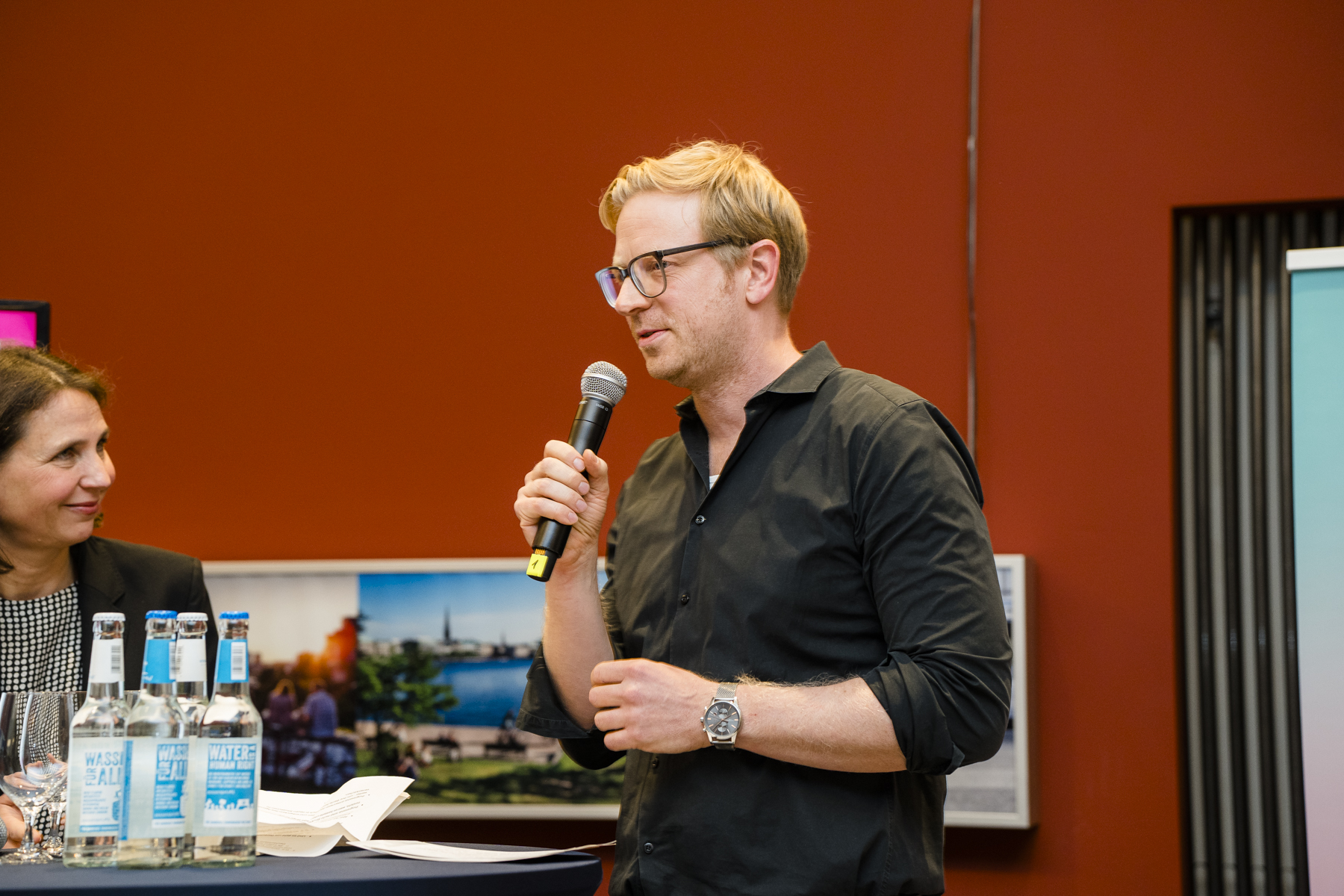
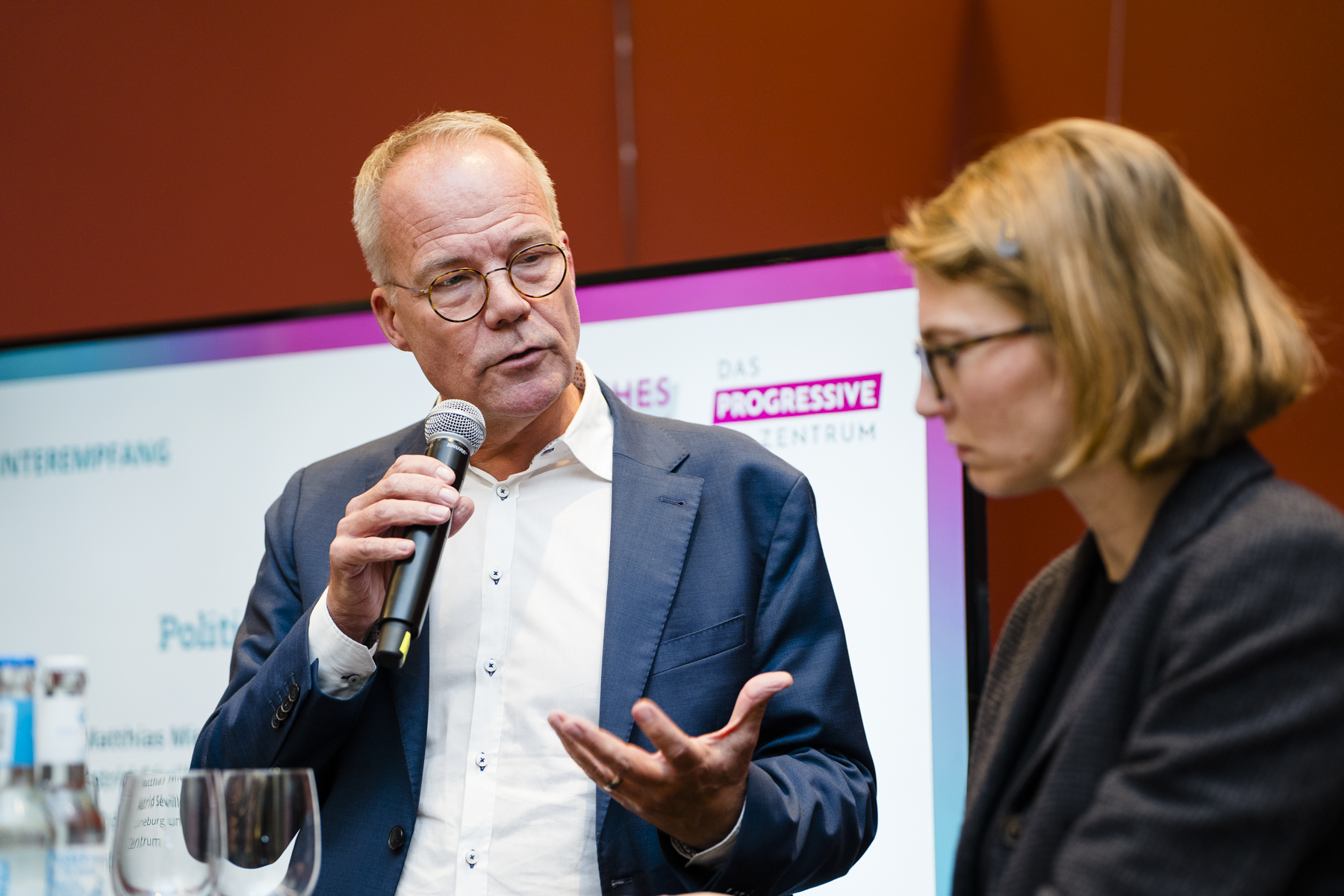
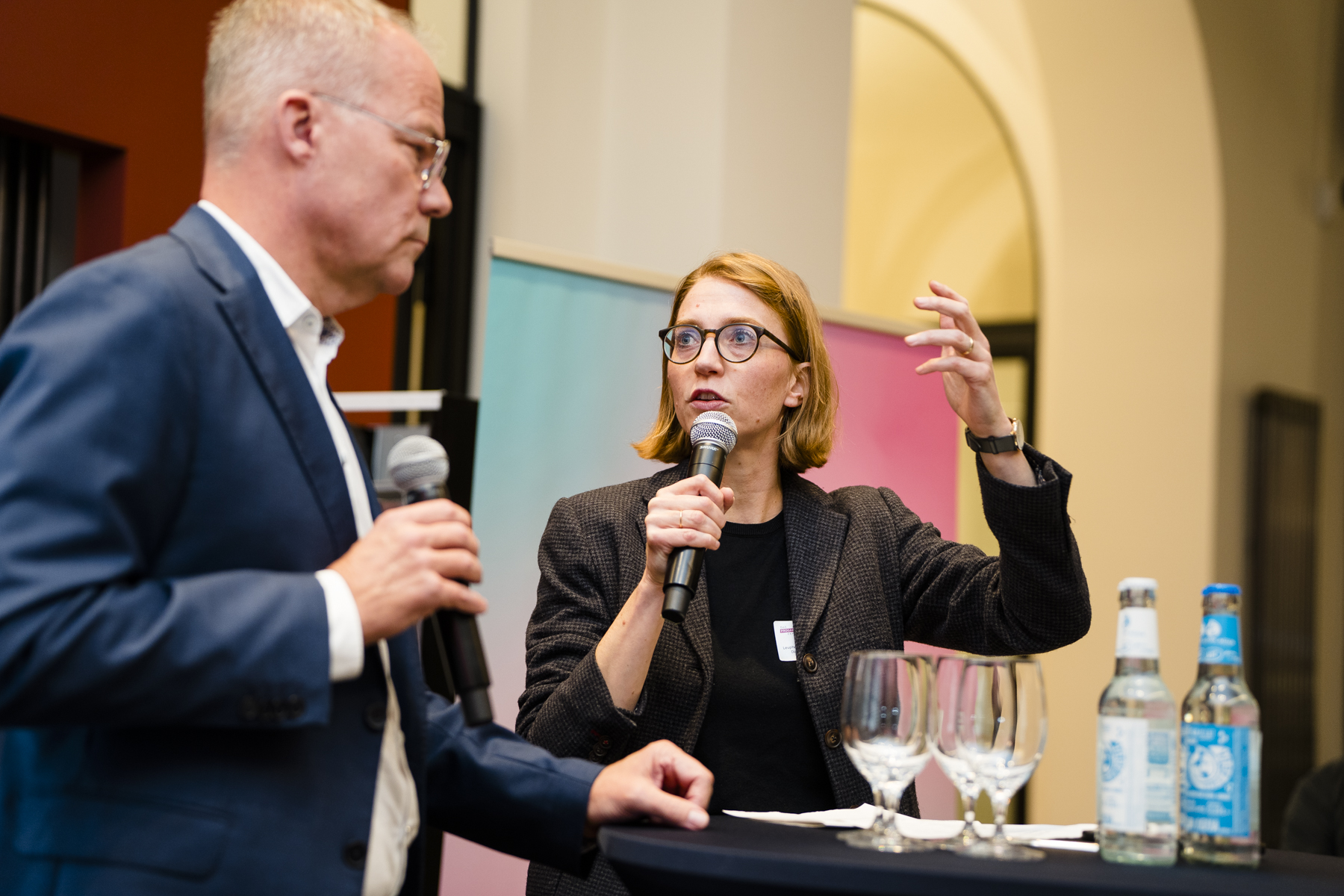
Following the intensive debates in the working groups, the Winter Reception provided space for in-depth conversations and new connections. The highlight was a political dialogue between Matthias Miersch, Chair of the SPD Parliamentary Group, and Astrid Séville, Professor of Political Science at Leuphana University Lüneburg and member of the Scientific Advisory Board of Das Progressive Zentrum, which provided a political classification of the symposium’s central themes.
When asked for his wish for the end of the year, Matthias Miersch called for a spark more optimism and confidence. The symposium made it clear: responsibility is not an abstract concept or a mere word of comfort for uncertain times. It can be fleshed out concretely, shaped politically, and borne collectively – therein lies the strength that sustains our actions even in turbulent times.
Photos: Fabian Melber



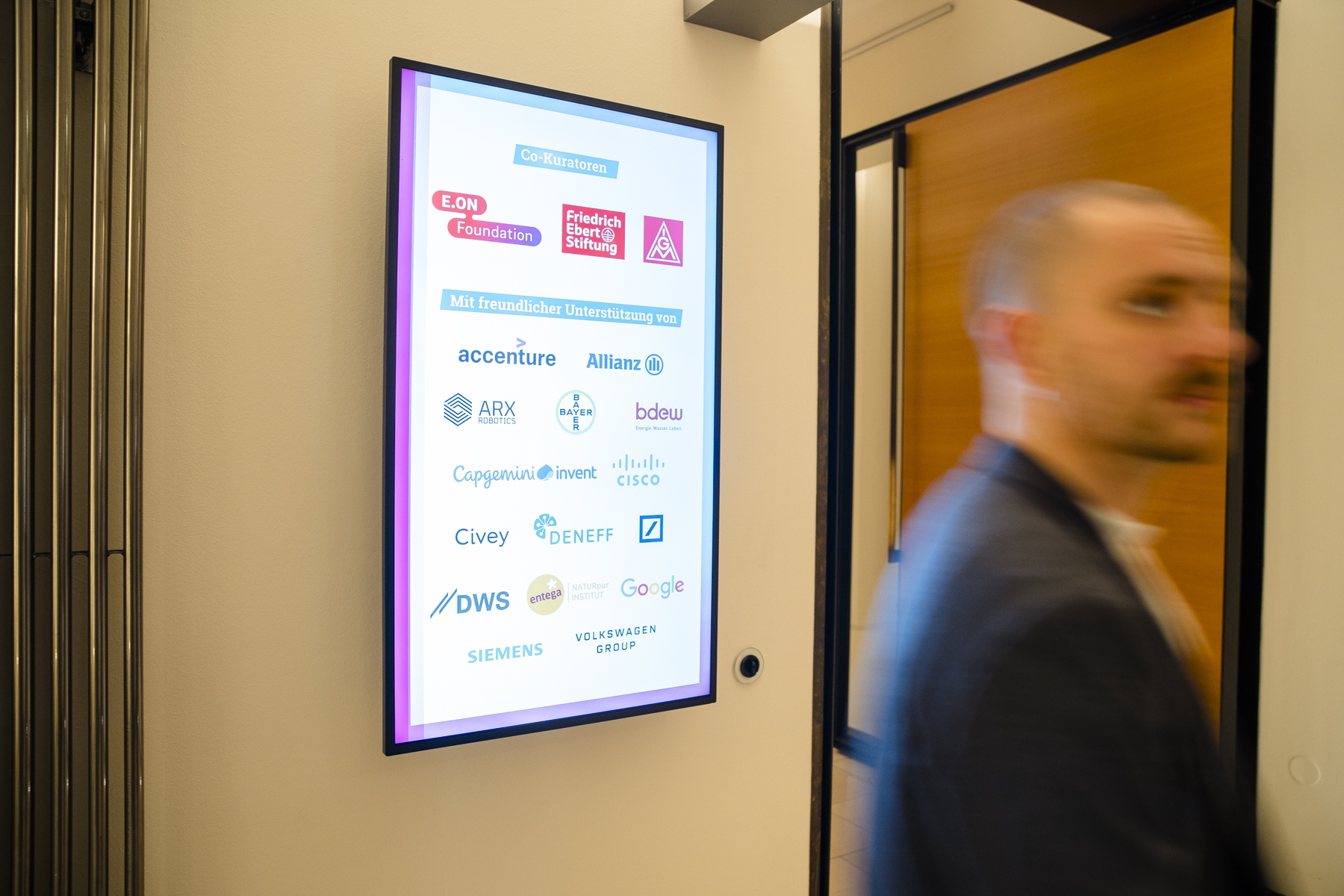

Co-curators


Supported by

Autor

More

Buried Villages, Fragile Democracies: Coal, Community, and the Unsteady Politics of the Climate Transition
Reclaiming the Narrative: The Progressive Offer and Economic Security